introduction to the fragment corpora
“The air itself is one vast library on whose pages are forever written all that man has ever said or women whispered”
Charles Babbage – Inventor of the Difference Engine (1821)
The images and texts in The Fragment Corpora include a variety of seemingly random elements referencing aerial views, coding, psychological tests, allegories, art history, astronomy, poetry, micro and macro environments, images of wholeness and fragmentation and the mathematical sublime.
Early collections of knowledge about the world, such as libraries and encyclopaedias also include Cabinets of Curiosities. These collections prefigured the museums of modern times, when collectors began to favour taxonomies based on science and history. The digital world, in which we can include AI, is perhaps the most recent episode in this story of ‘completist’ projects which attempt to lay out the world before us.
The book embraces the limitations of such attempts to construct meaningful images of the world we inhabit, acknowledging the optics through which such descriptions are necessarily determined.
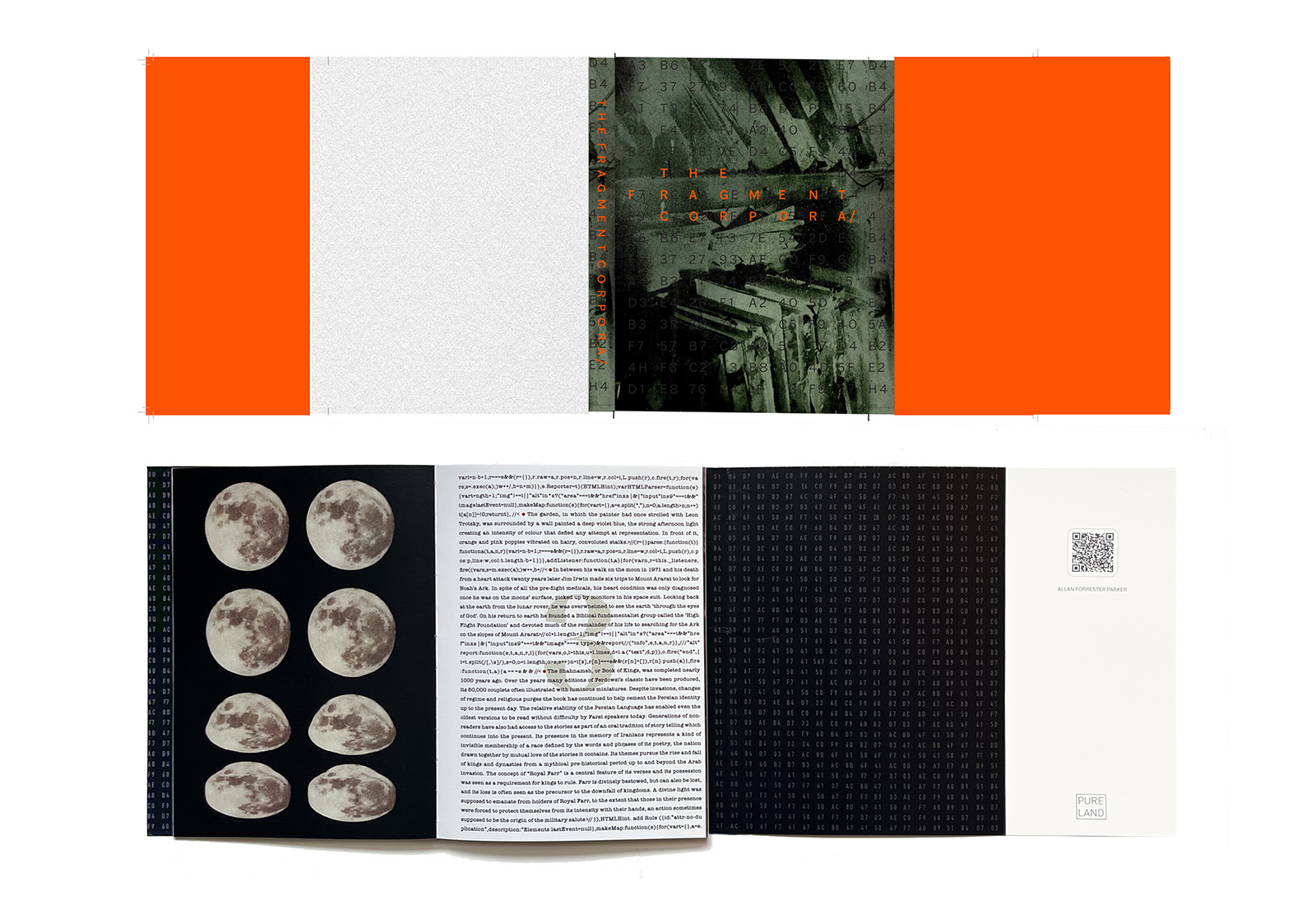
The Fragment Corpora seeks to expand the notion of the book into something which can be experienced in a three dimensional space. The pages of the book variously represent projections, prints, lightboxes, screens and online presentations and ultimately a large language model (LLM), which is currently in development.
The first element to be completed was the The Fragment Corpora [Folio], a large format handmade book (280x380mm) of screen prints, plate lithographs, chine collé, colour copies and pigment prints, in an edition of 12 copies. Printed in India at Prati Studios in Bengaluru.
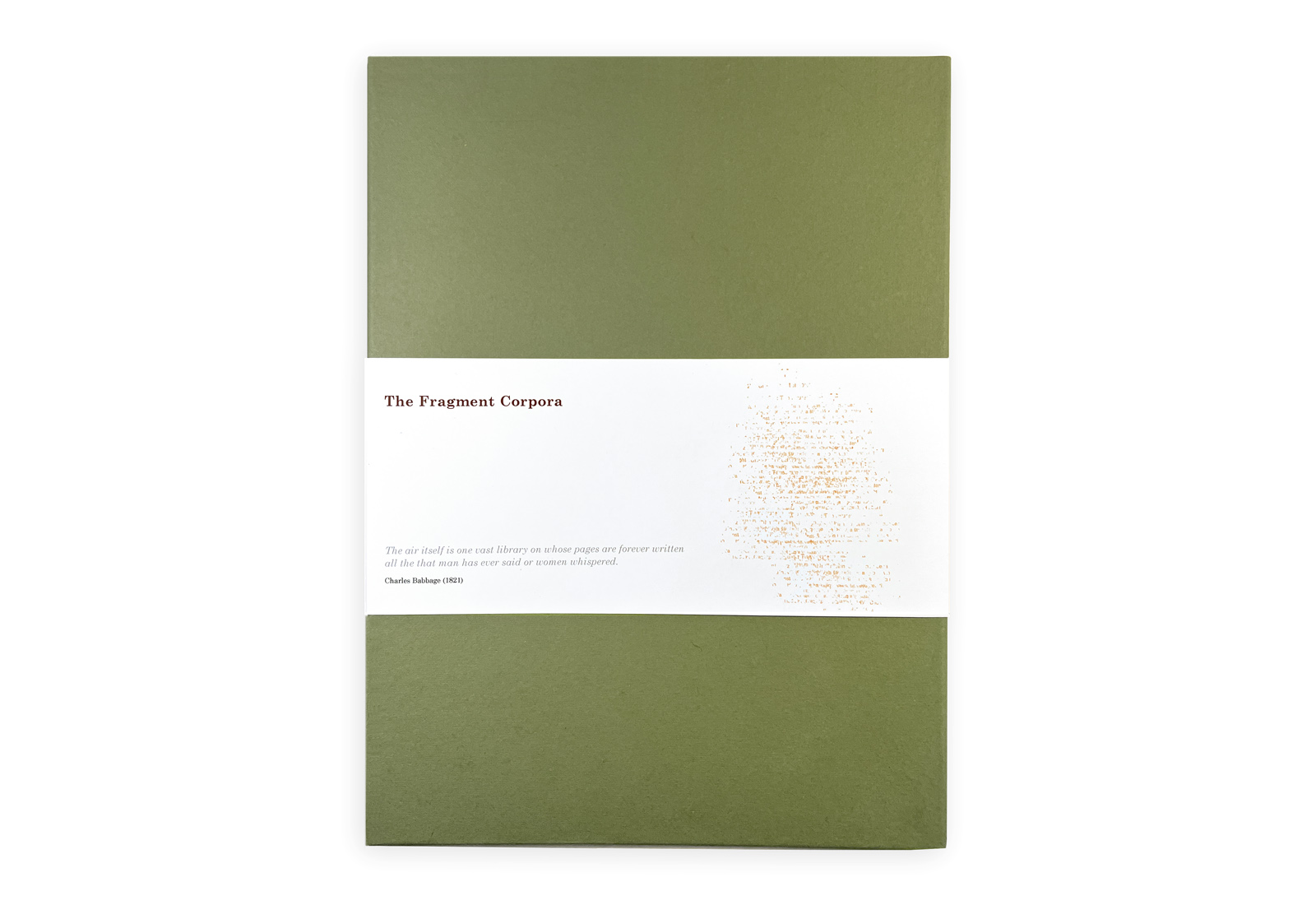
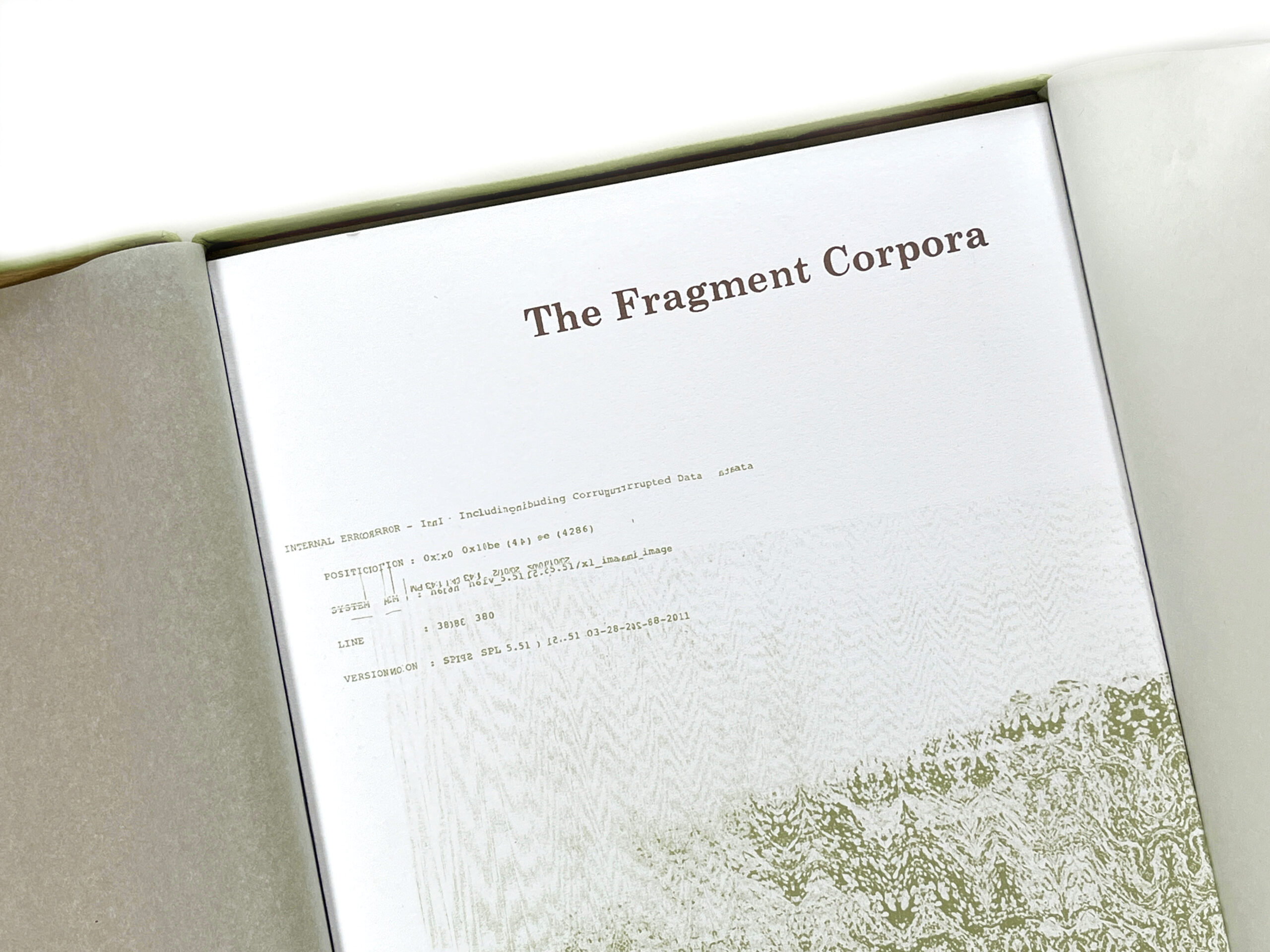

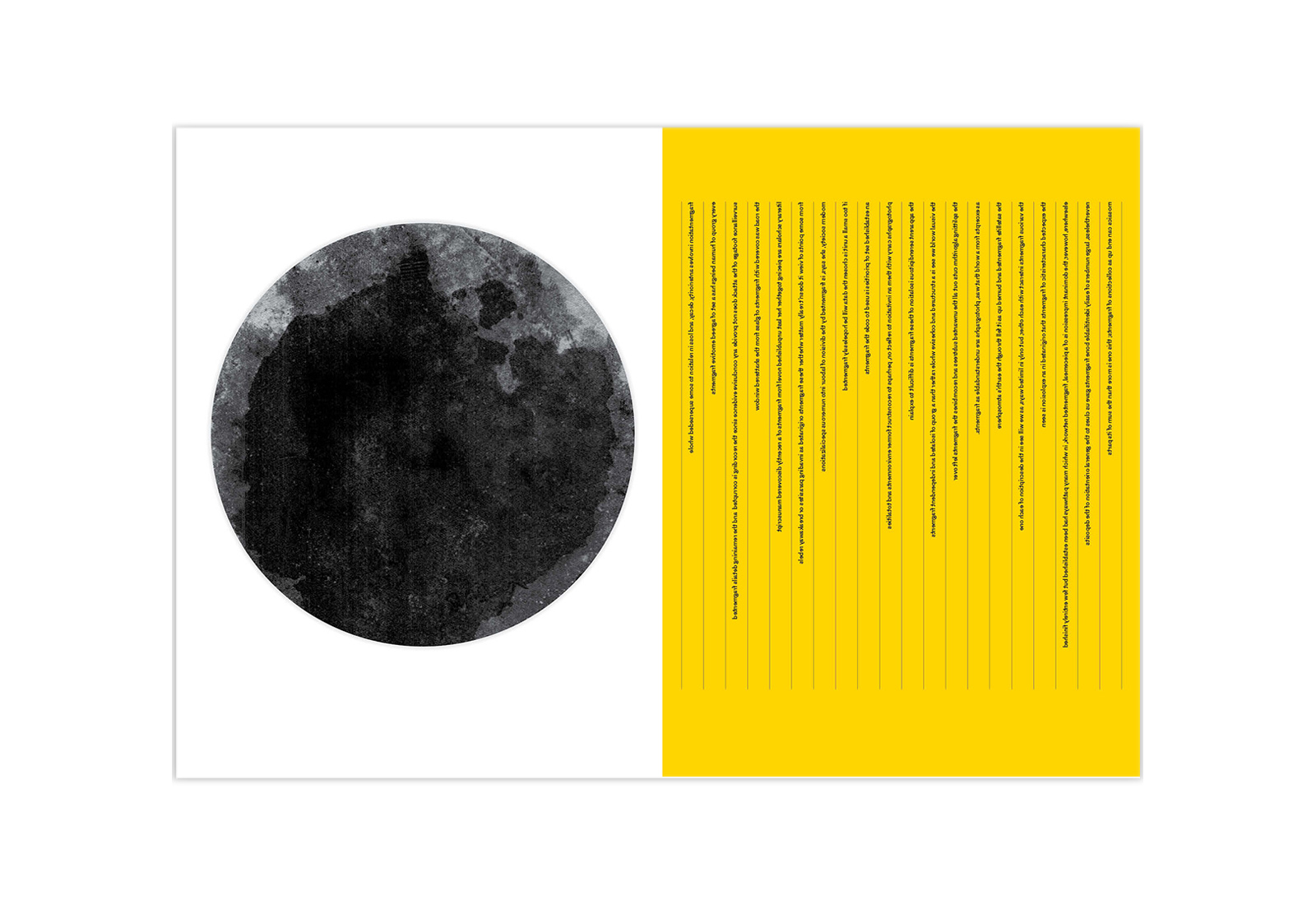
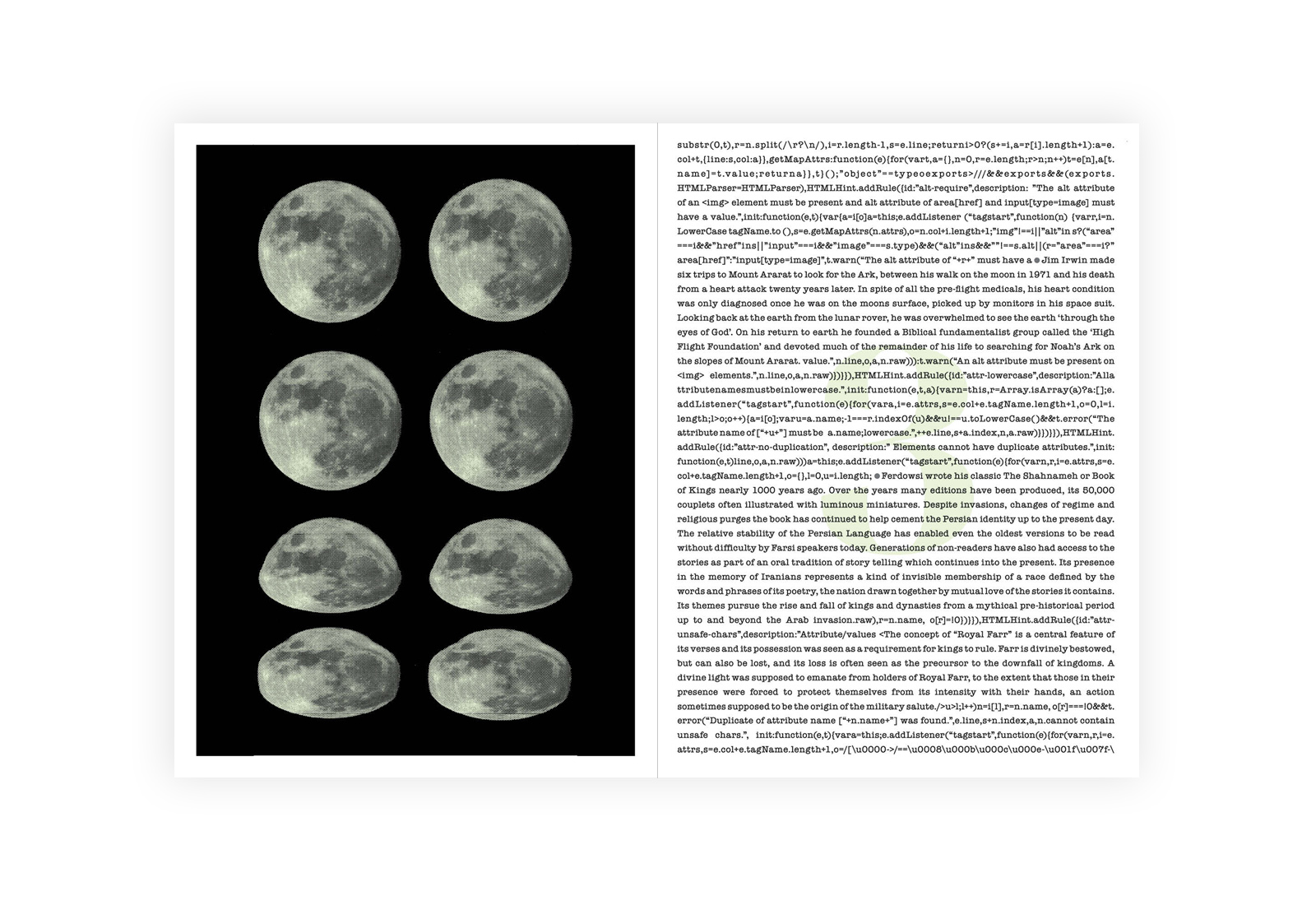
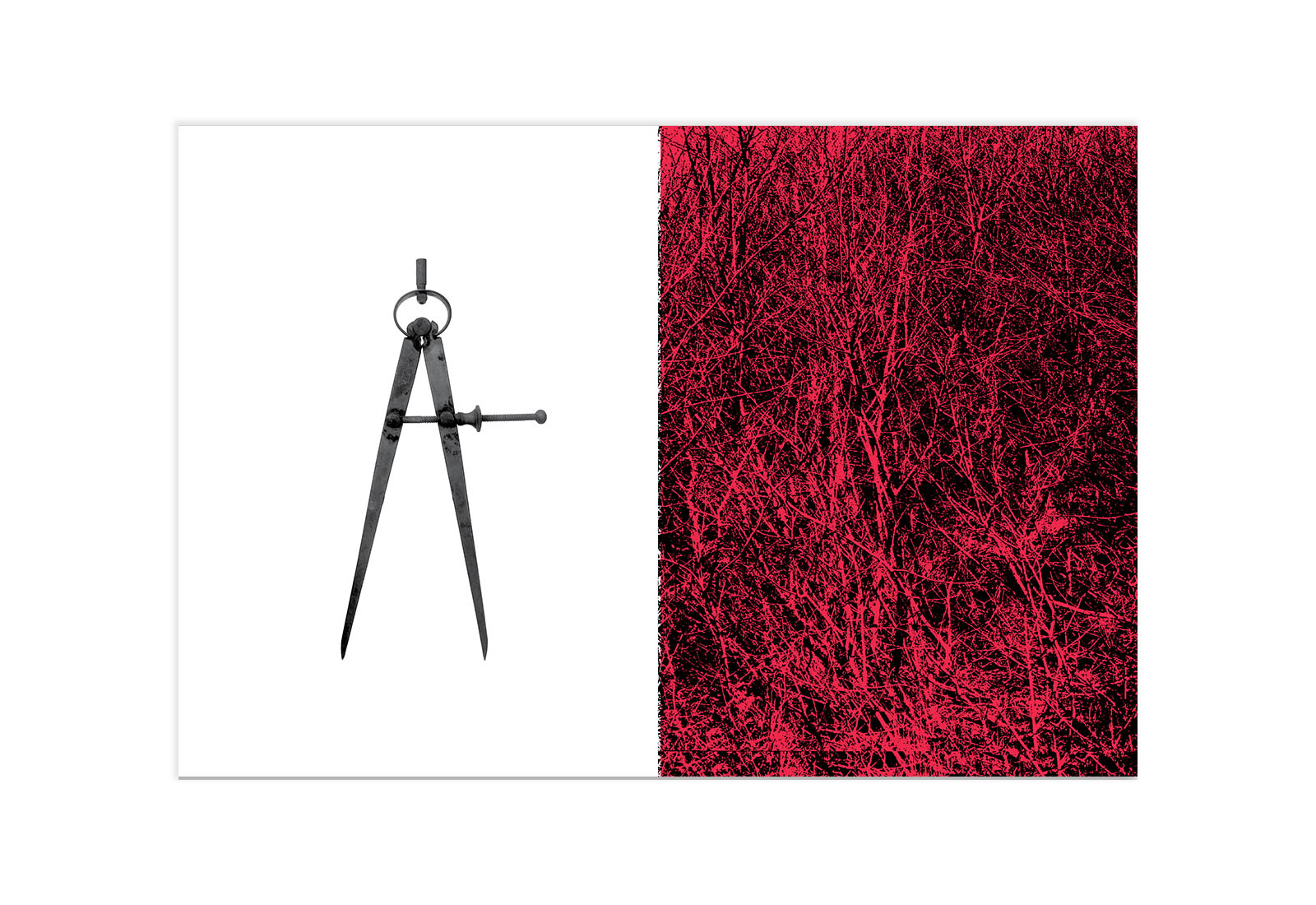
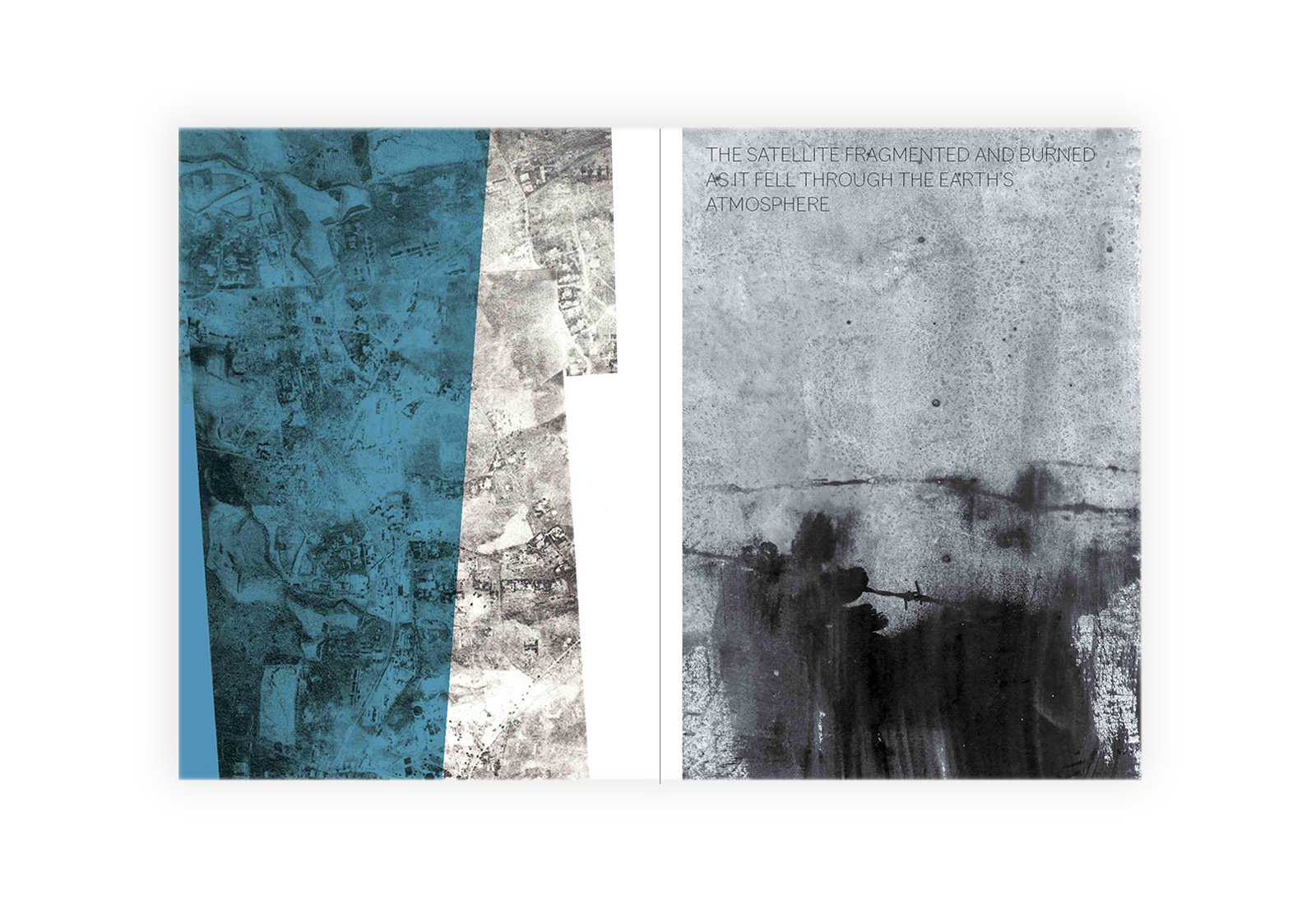
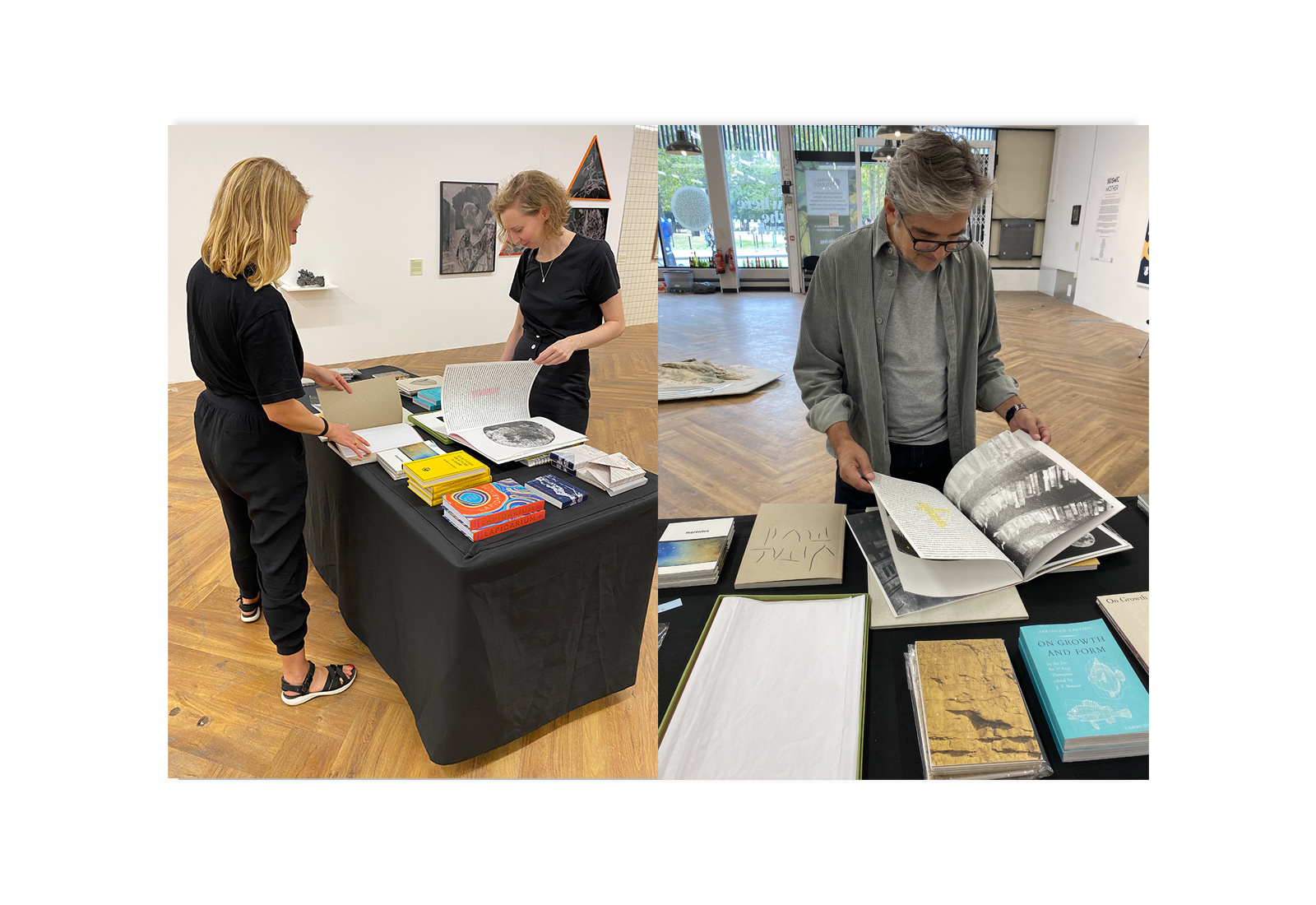
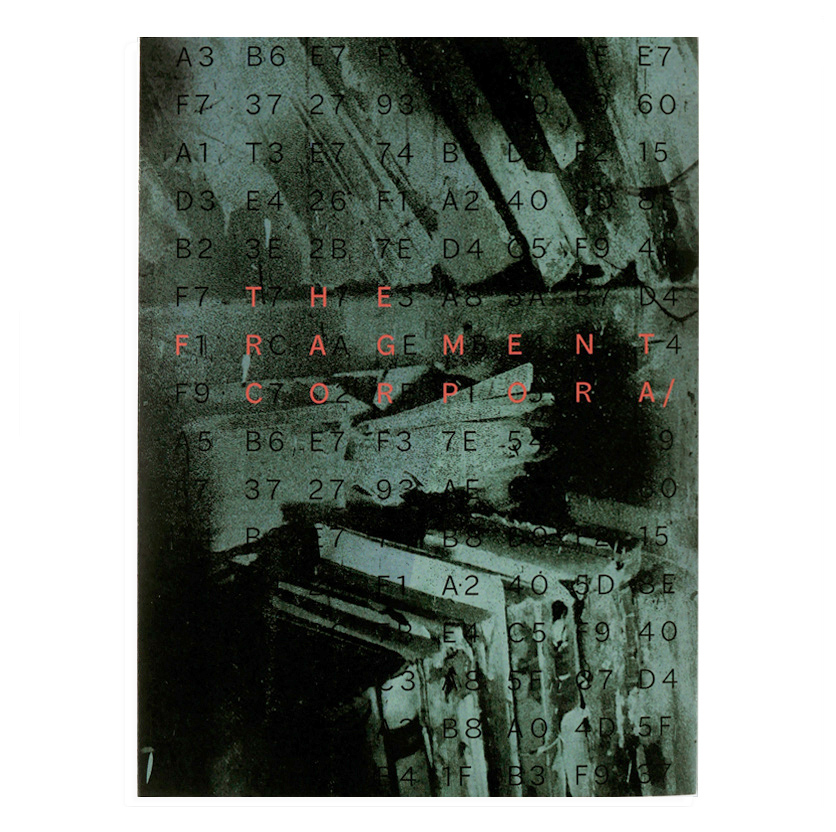
The offset-litho edition of 500 copies The Fragment Corpora [book], is currently available in India from Pressworks: <https://store.press-works.info/> from January 2026 and the UK from March 1st 2026. This edition (230x175mm) has 144 pages with an exposed binding and a wrap-around cover, printed in Mumbai by JAK printers in 4 colour process with a flourescent title and surround.
A QR code on the cover flap brings viewers to these pages.
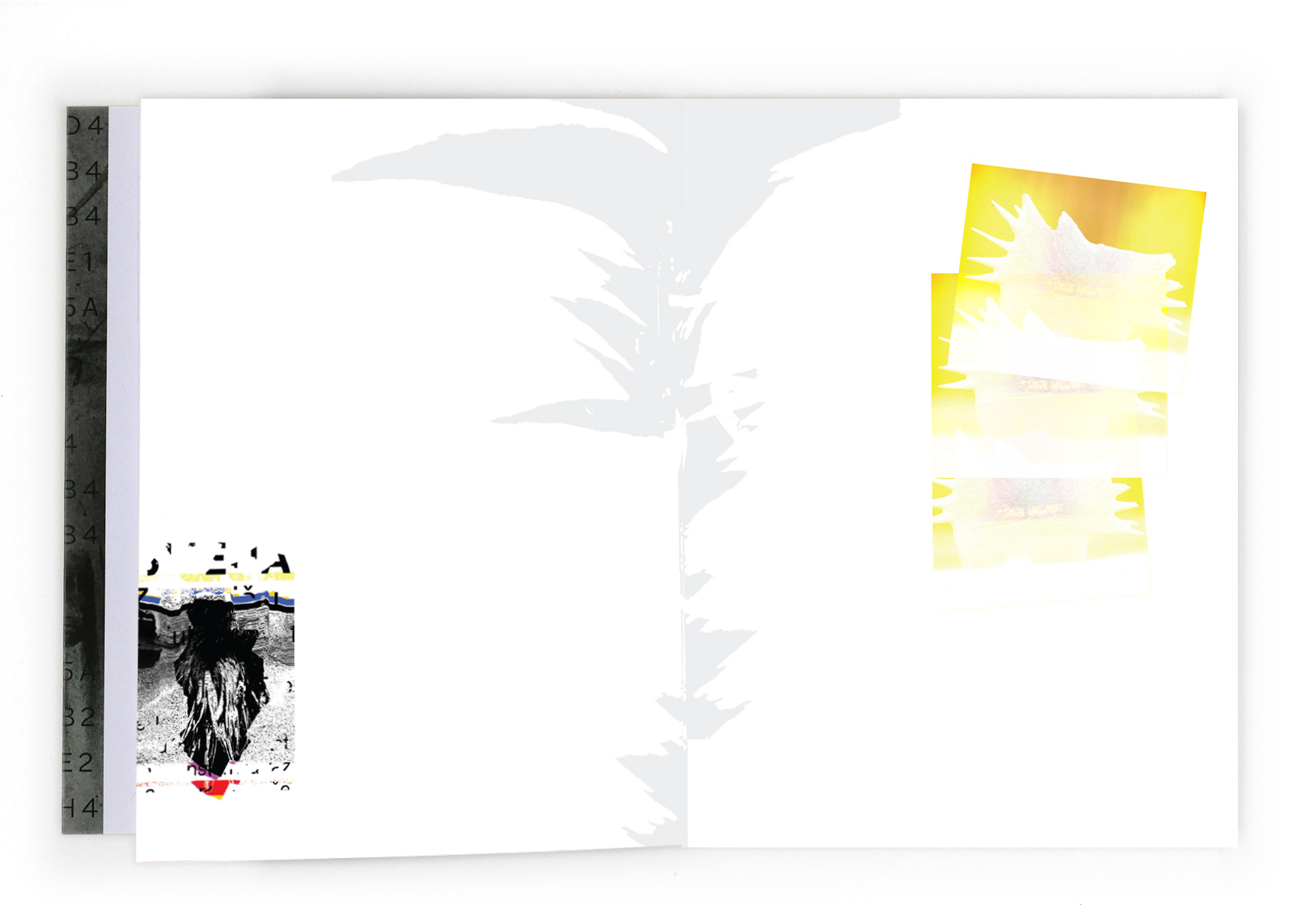
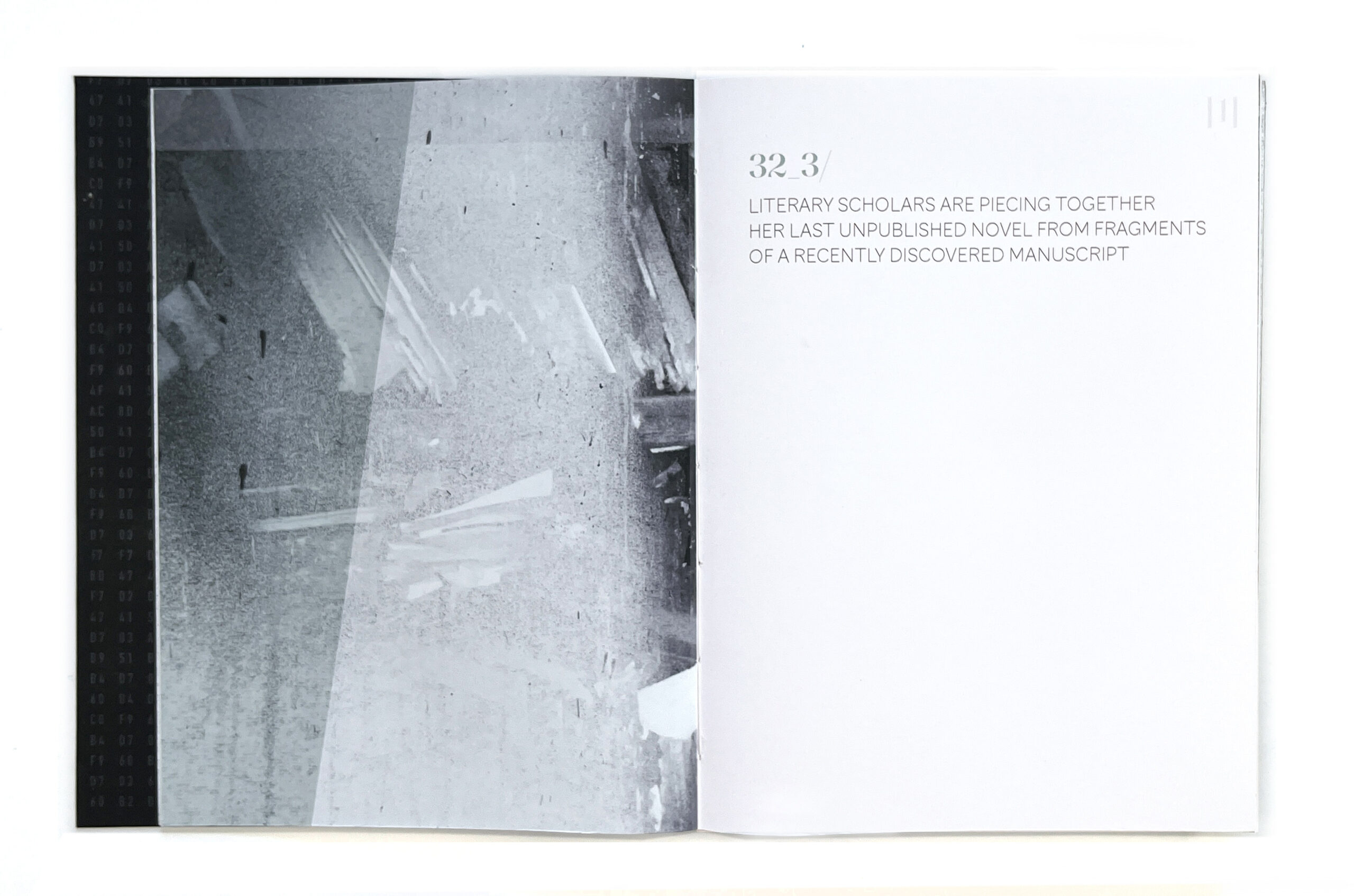
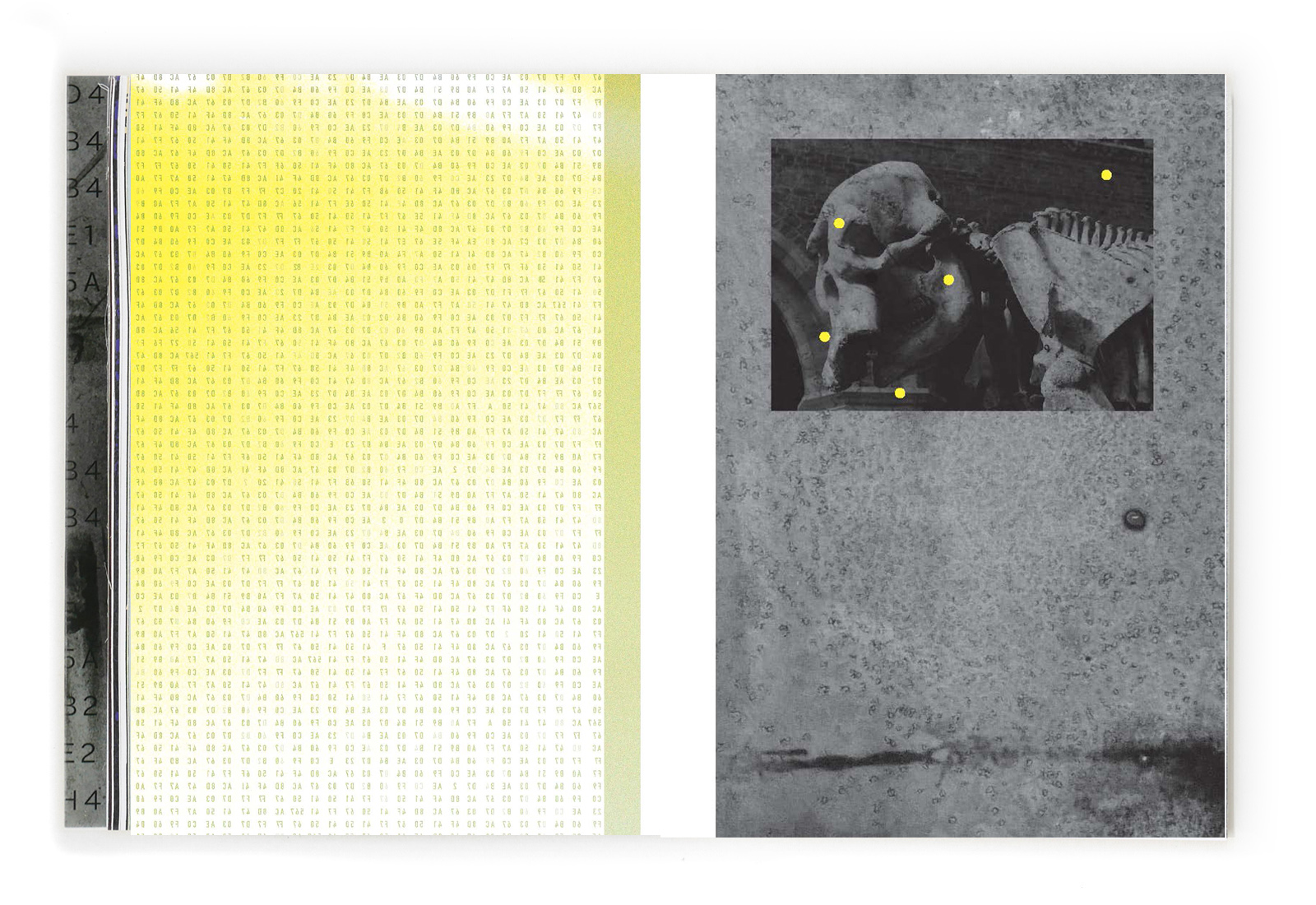
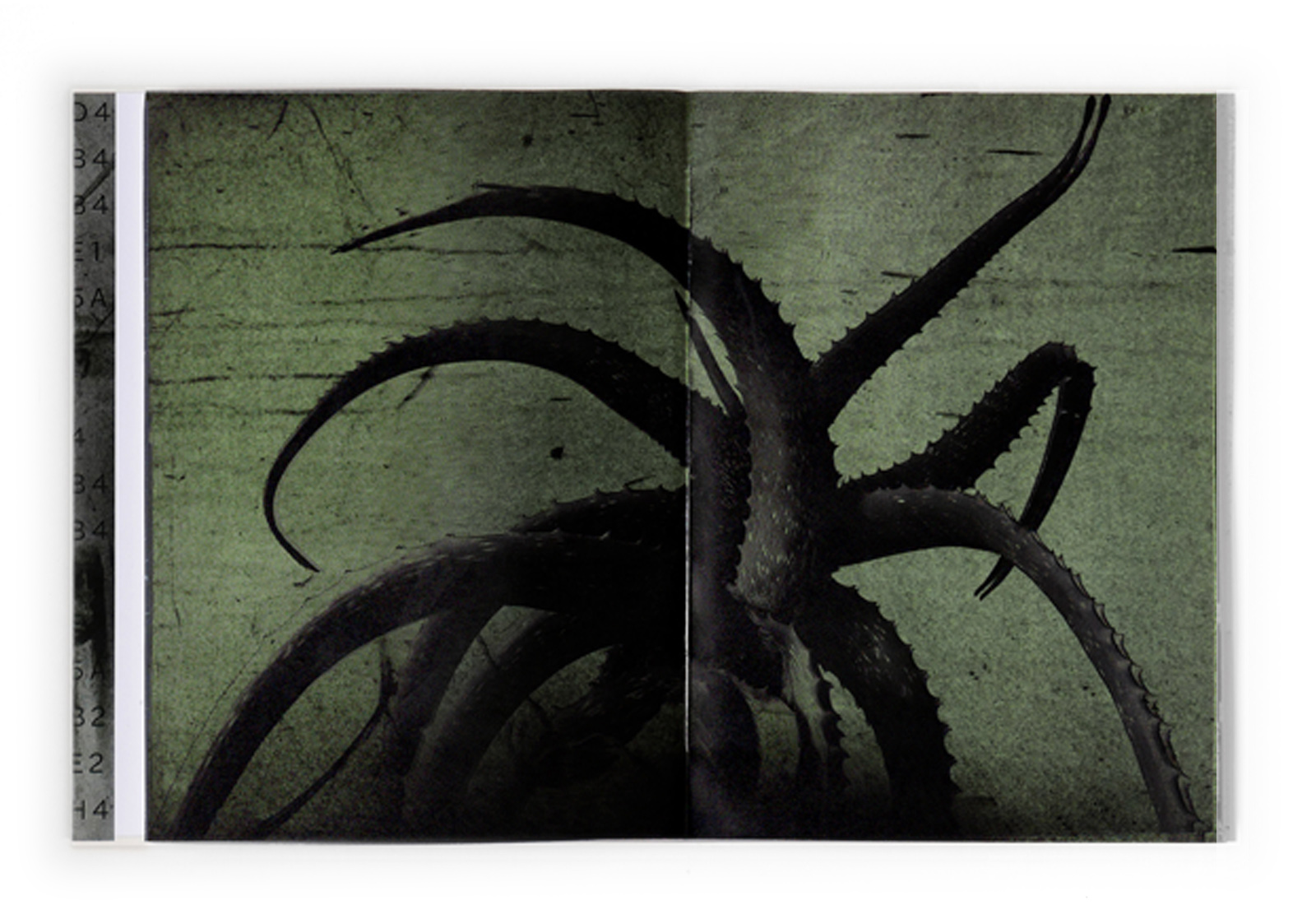
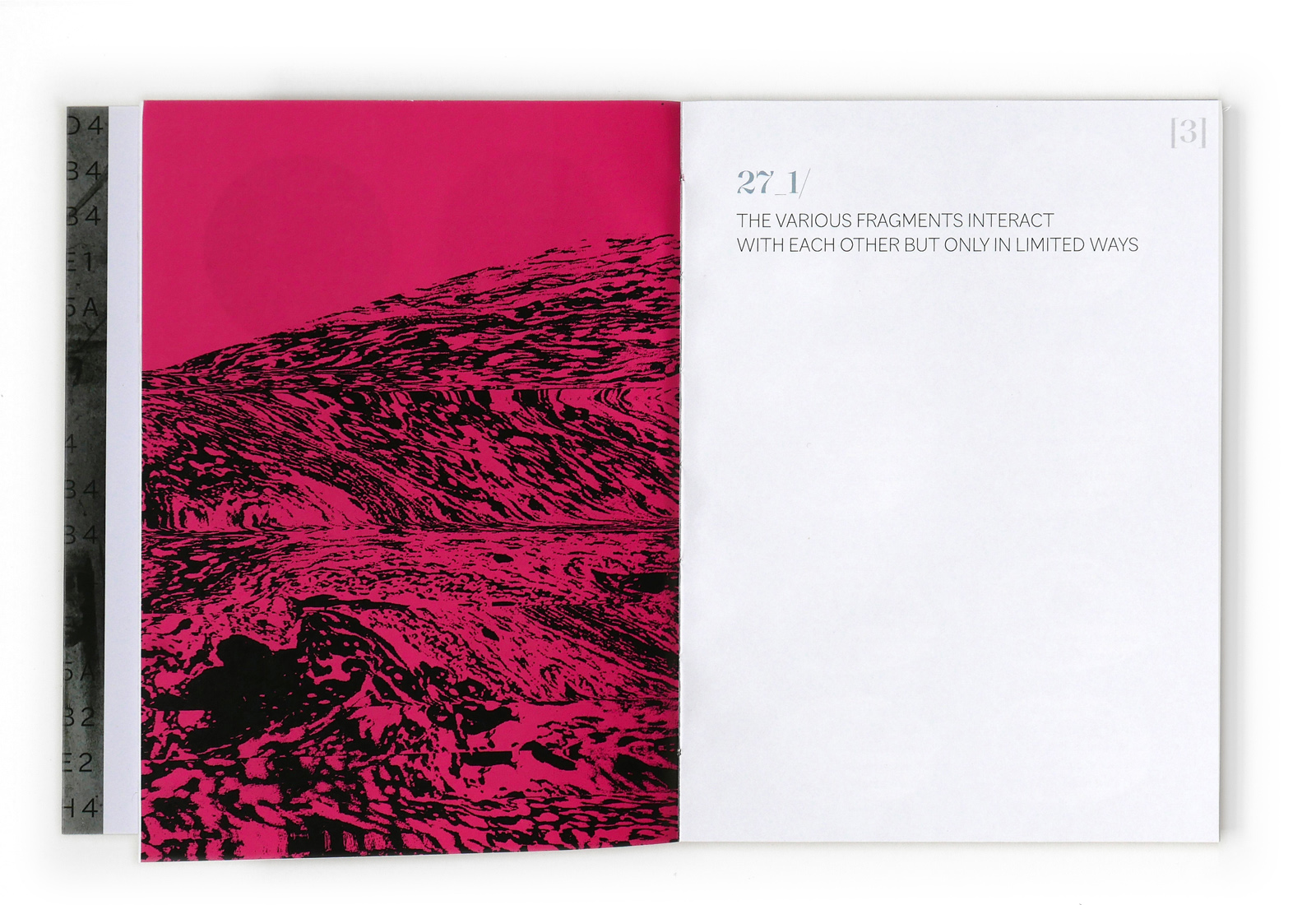
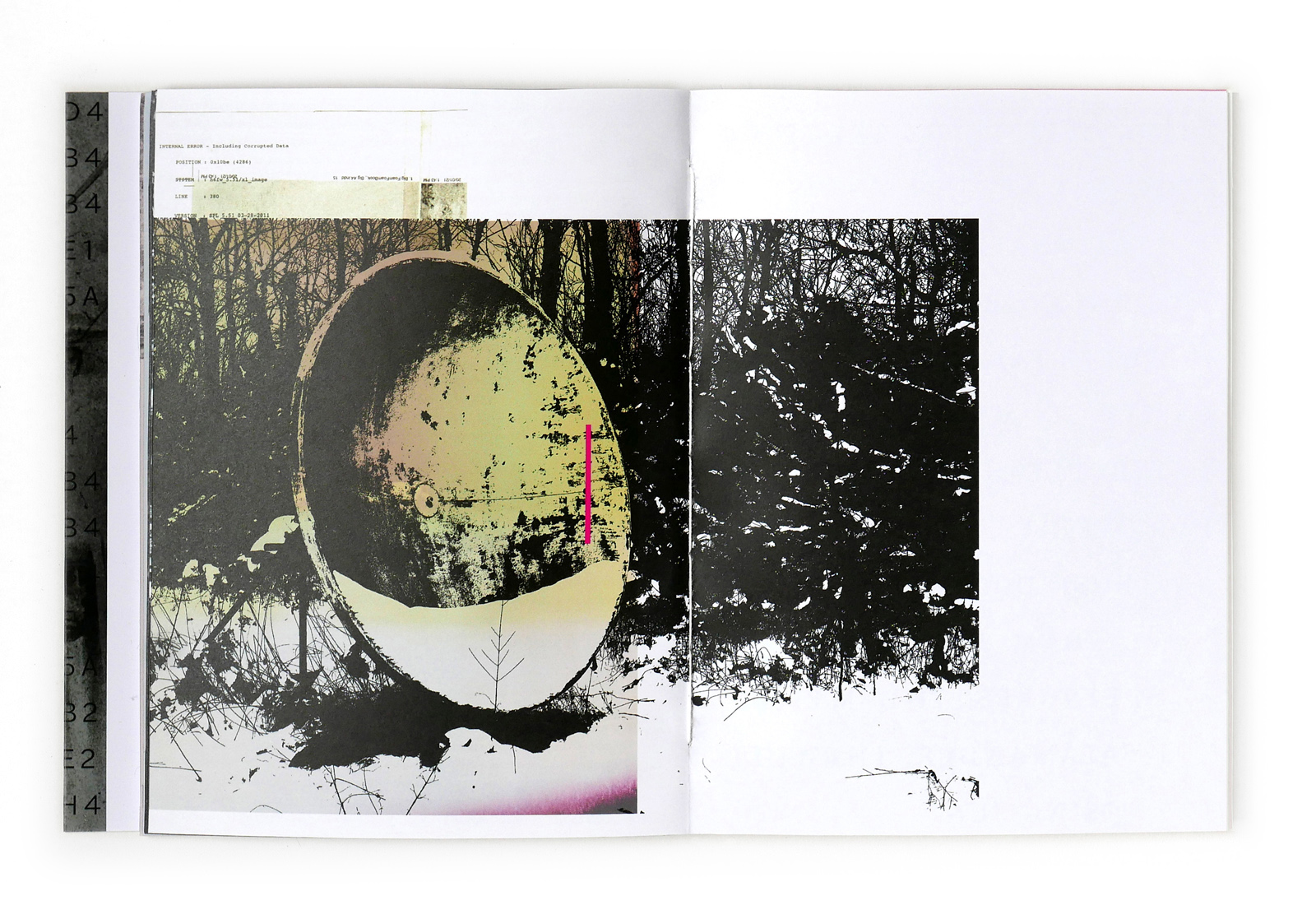
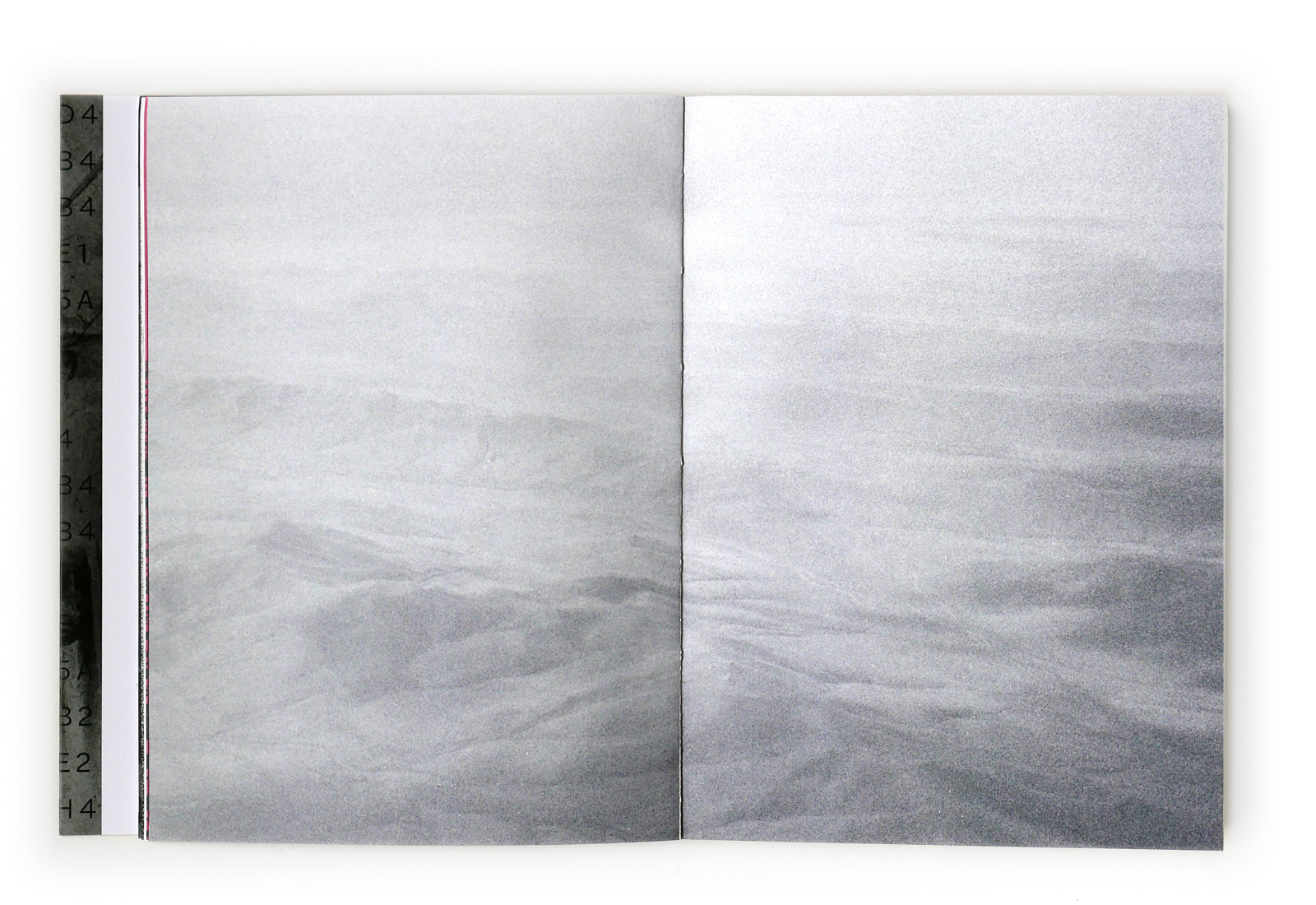
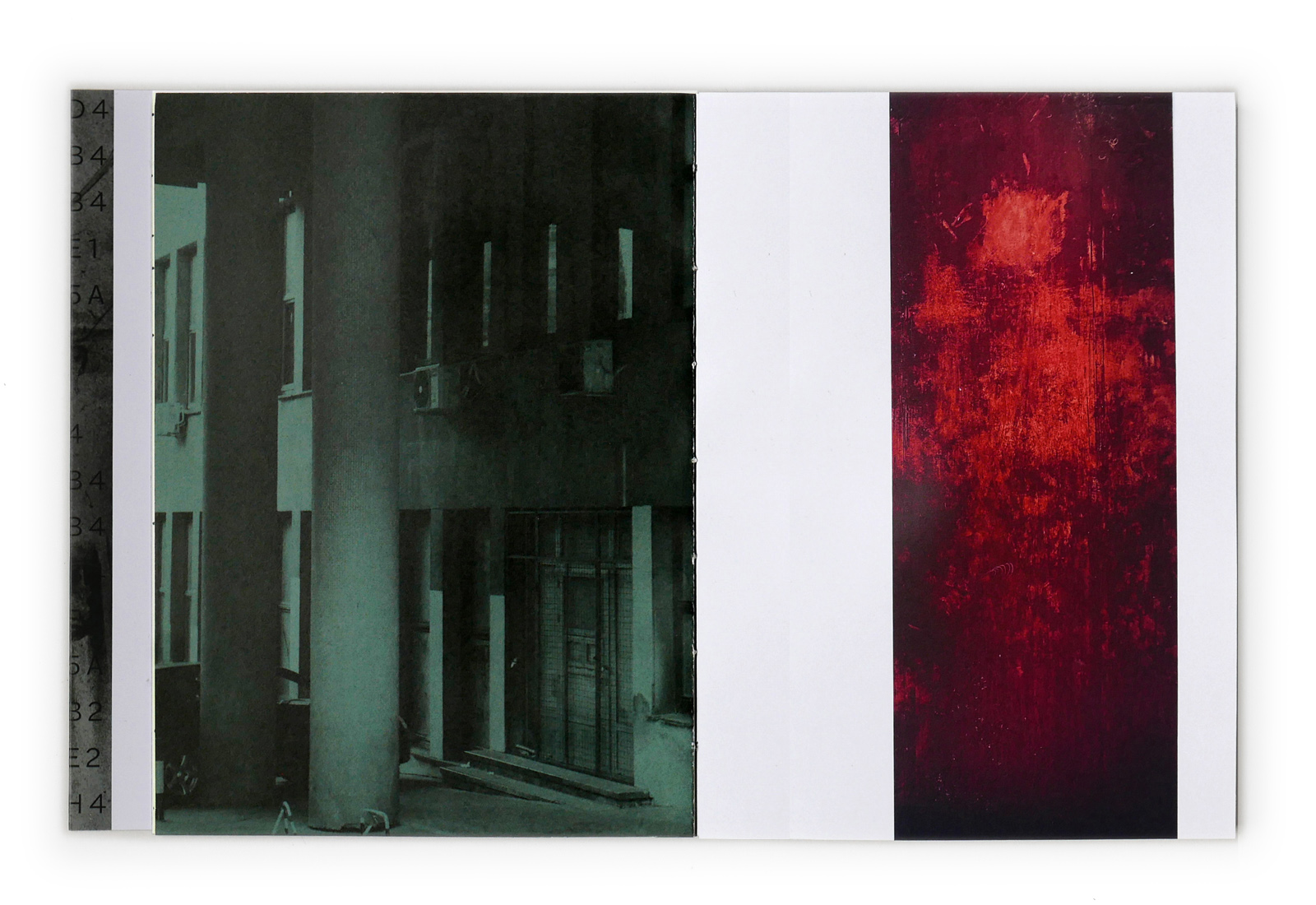
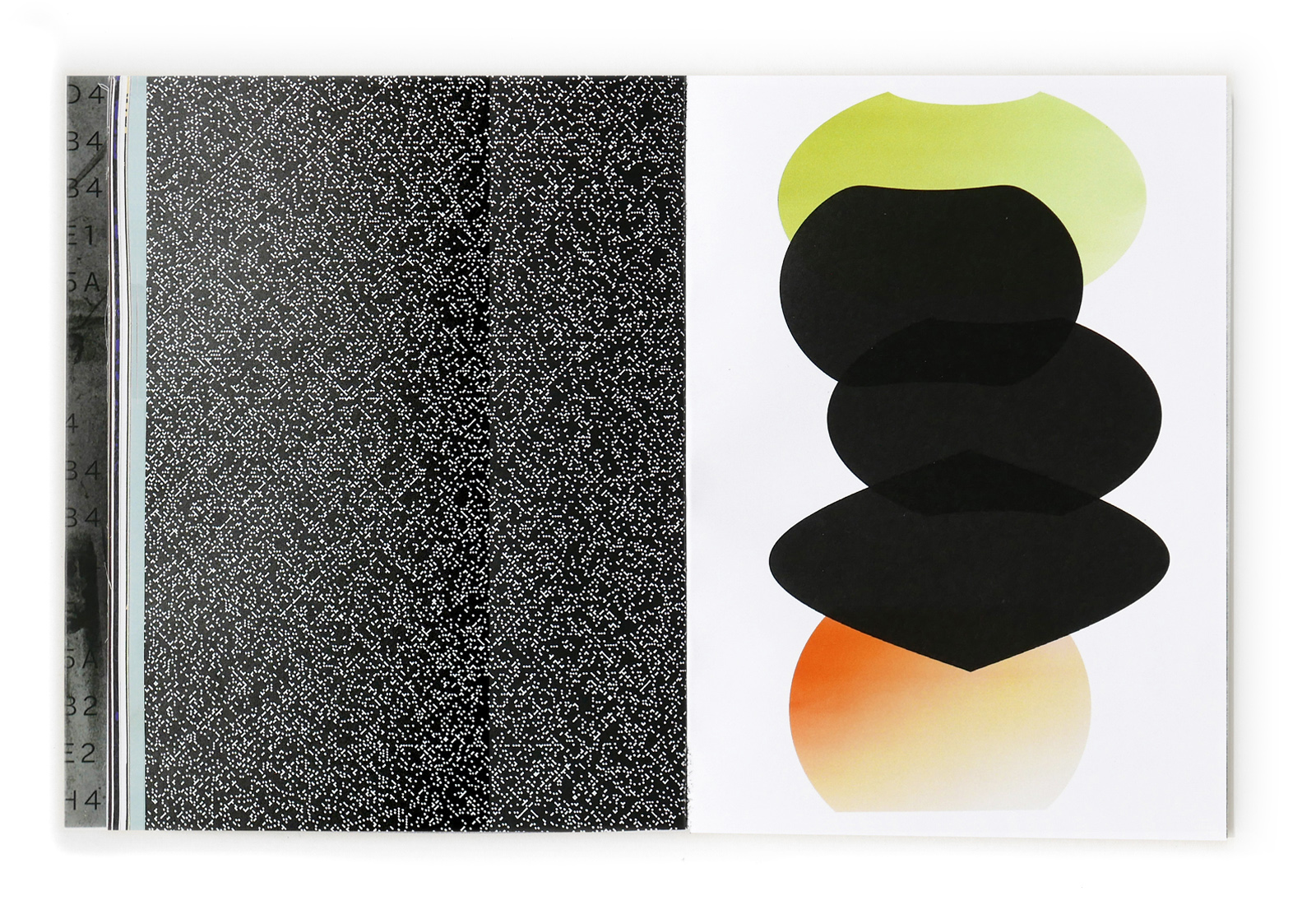
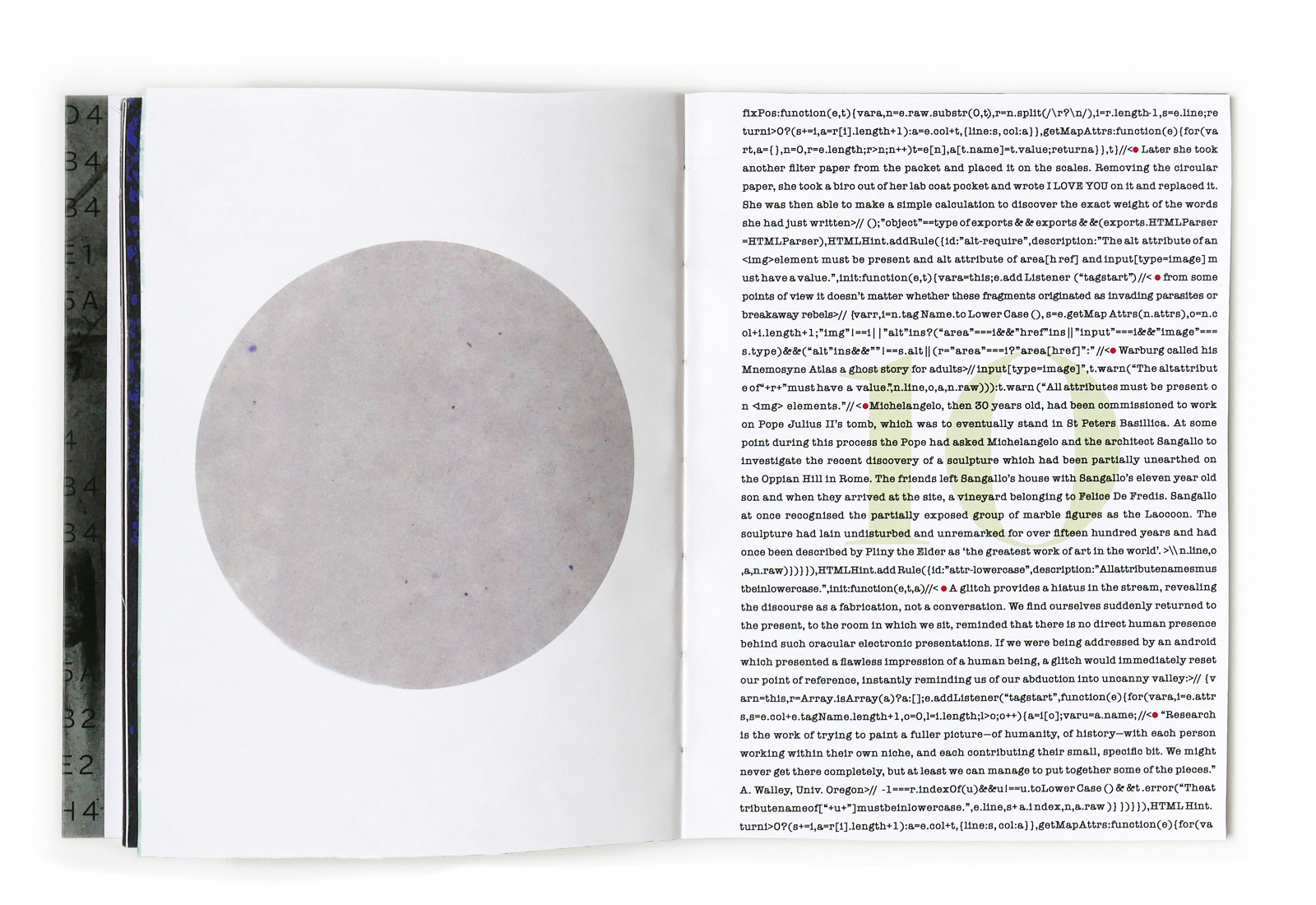
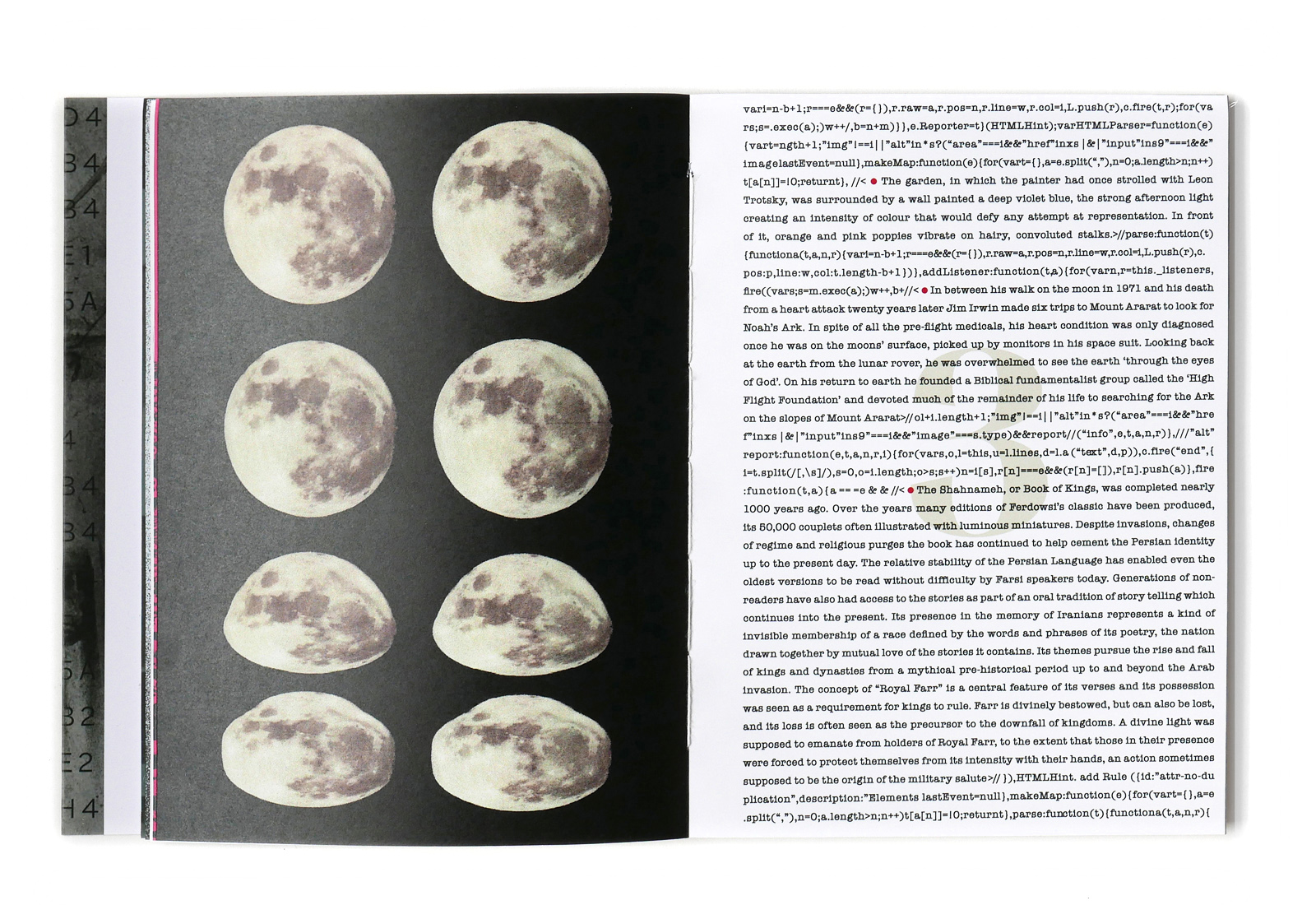
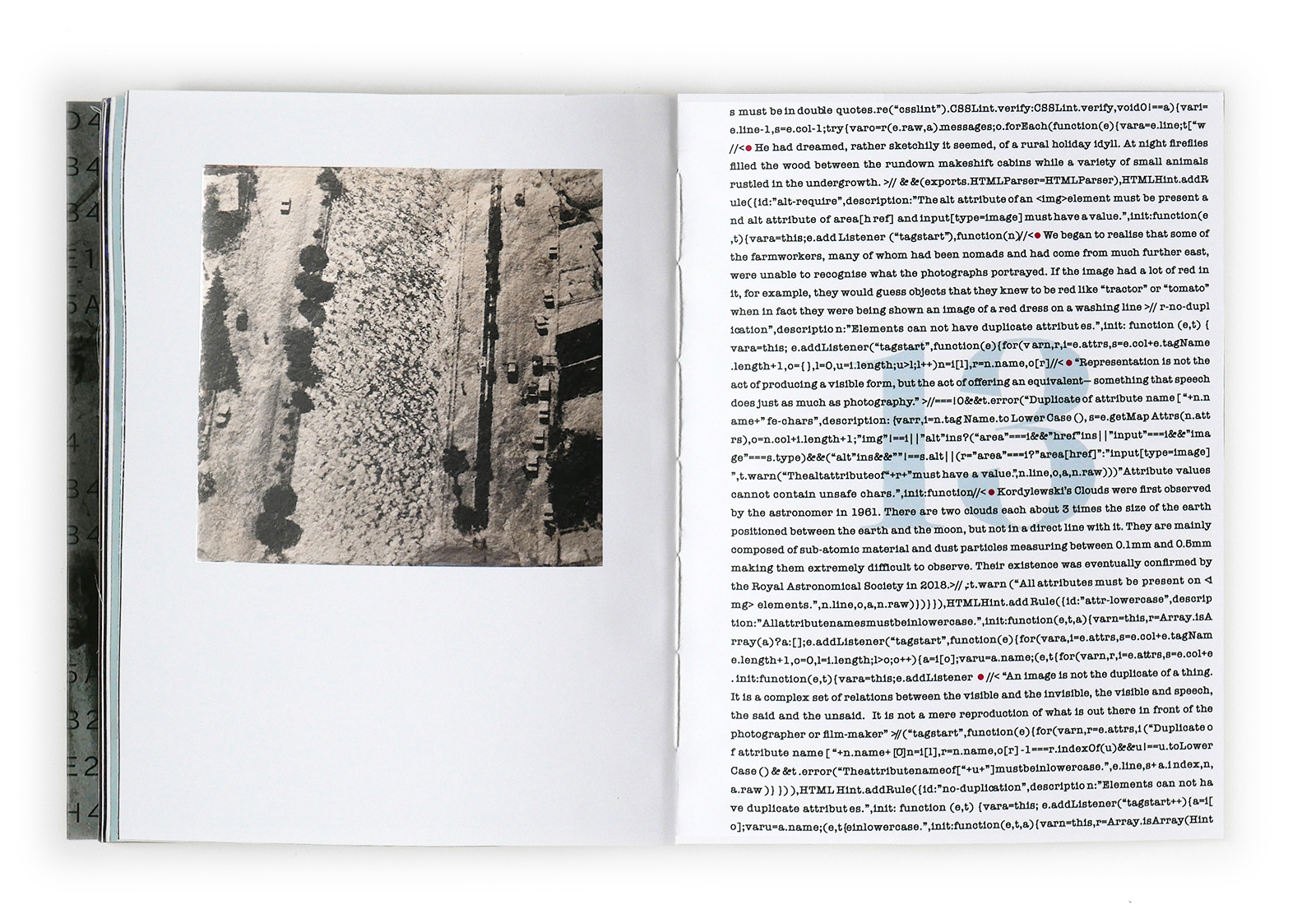
Many of elements and themes within the book exist independently as prints, projections or sculptures etc which can be displayed independently or as part of an installation.
The Ulam Spiral
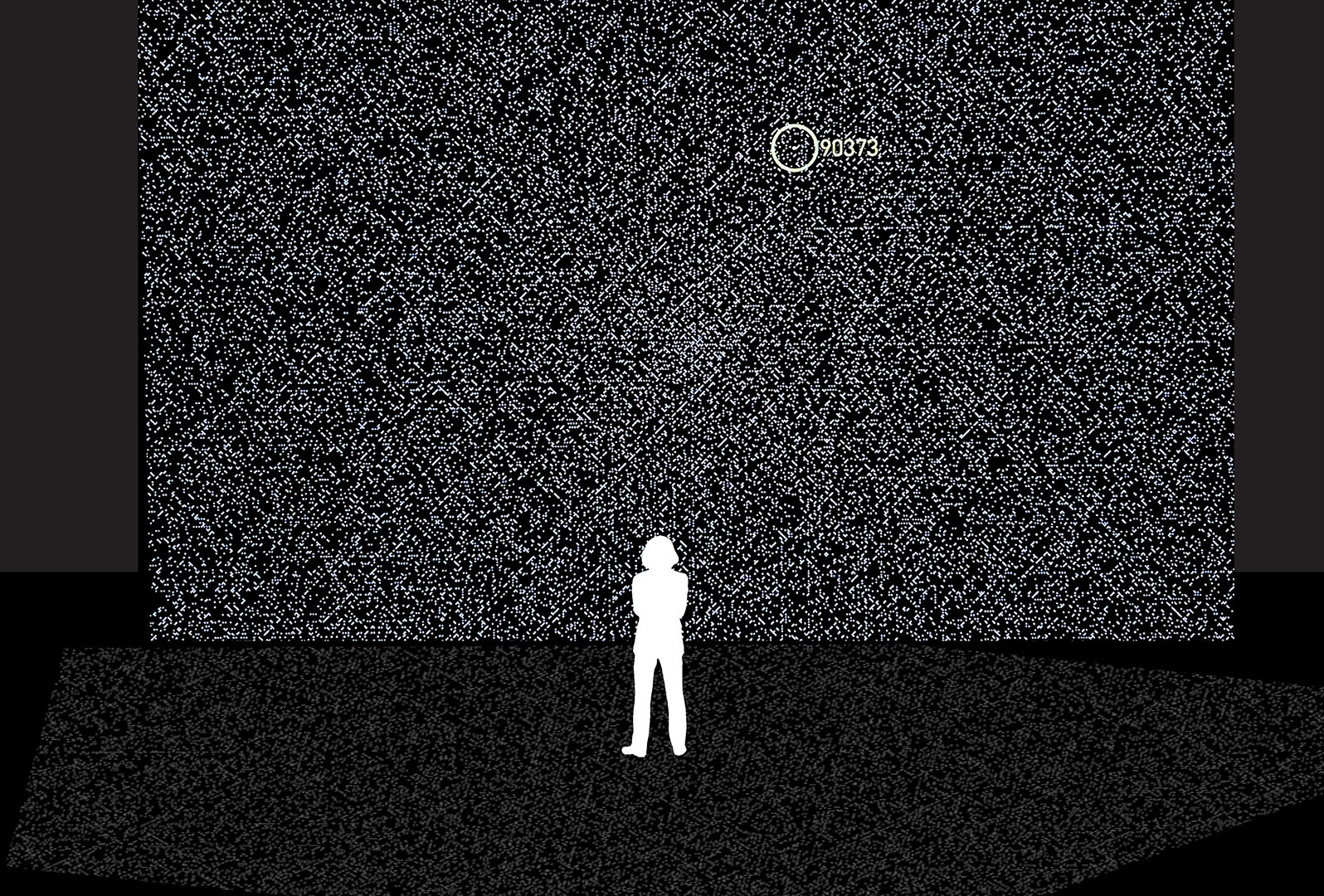
The Ulam Spiral is an image of the prime numbers. The natural numbers are arranged in a square spiral, with the primes represented by white pixels against a black background of non-primes.
The programming by Dr Richard Christian shows as much of the infinite sequence as can fit within the bounds of the screen. It currently exists on a local server and can be presented as a projection in a gallery space.
The number of each prime number is shown on the screen when the custom cursor passes over it.
It represents the mathematical sublime and embodies a key mystery in mathematics. A unique sound is produced by each pixel as the cursor passes over it which create complex harmonics as the sounds combine. This work is interactive and can be ‘played’ by visitors to the gallery via a track pad.
The project was developed by Dr. Richard Christian and Allan Parker and the sounds provided by composer Georgina Brett.
Mercators
Mercator’s projection is the most widely used representation of the globe in two dimensions – however potentially there is an infinite variety of such images, all displaying the limitations inherent in attempting to reduce three dimensions to two.
This image is present in the book and also exists as an A2 print – a combined lithograph and screen print.
Artwork by Allan Parker. Printing by Jayasimah at Atelier Prati, Bangalore.

Paradise Lost
46 small LED screens display the first three lines of Milton’s Paradise Lost – one letter per screen.
The randomised/staggered programming of the text by Dr Richard Christian and Allan Parker allows the text to disintegrate and reform. This work was inspired by a throw away media comment that the internet was “‘…just another Paradise Lost”.