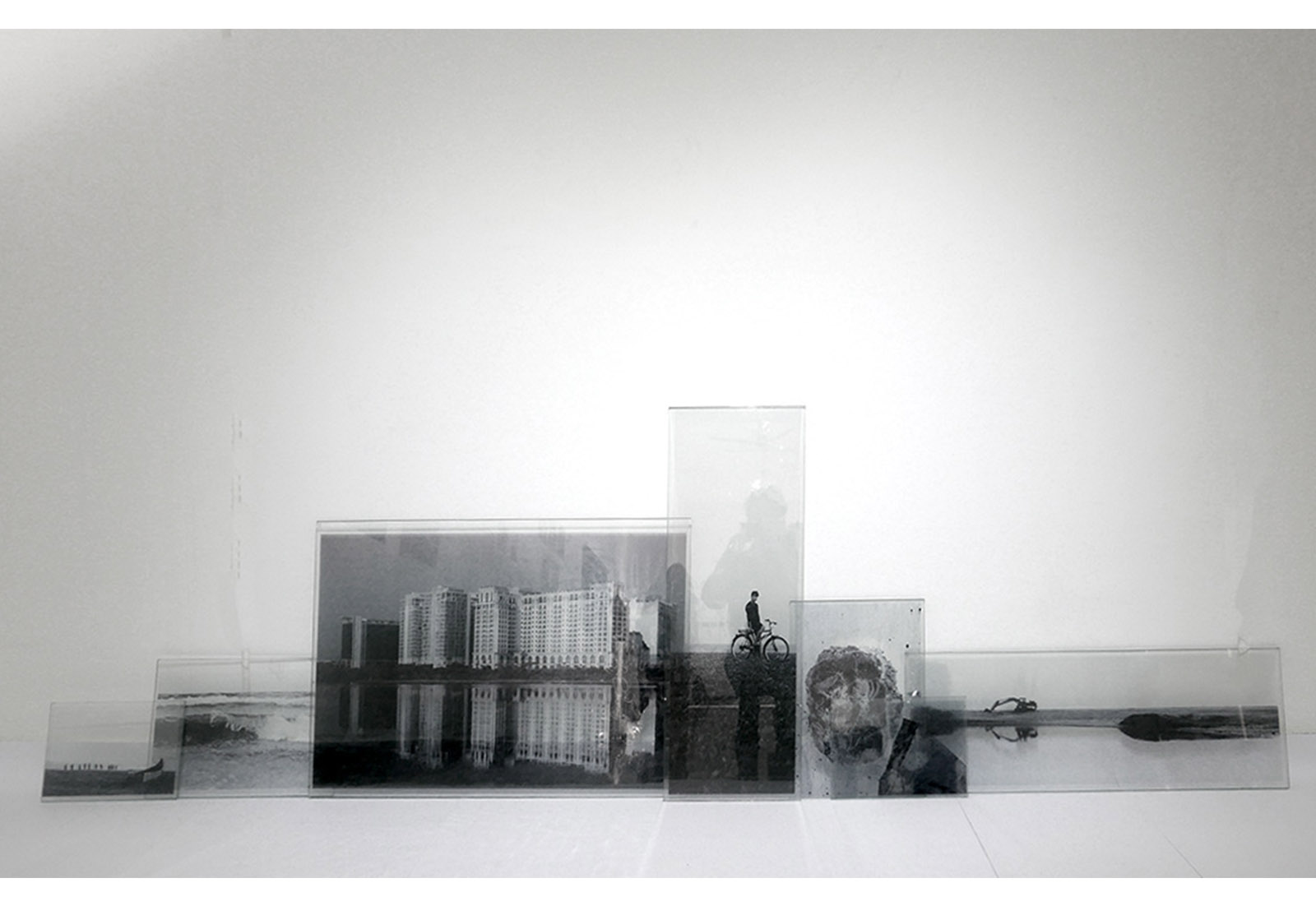
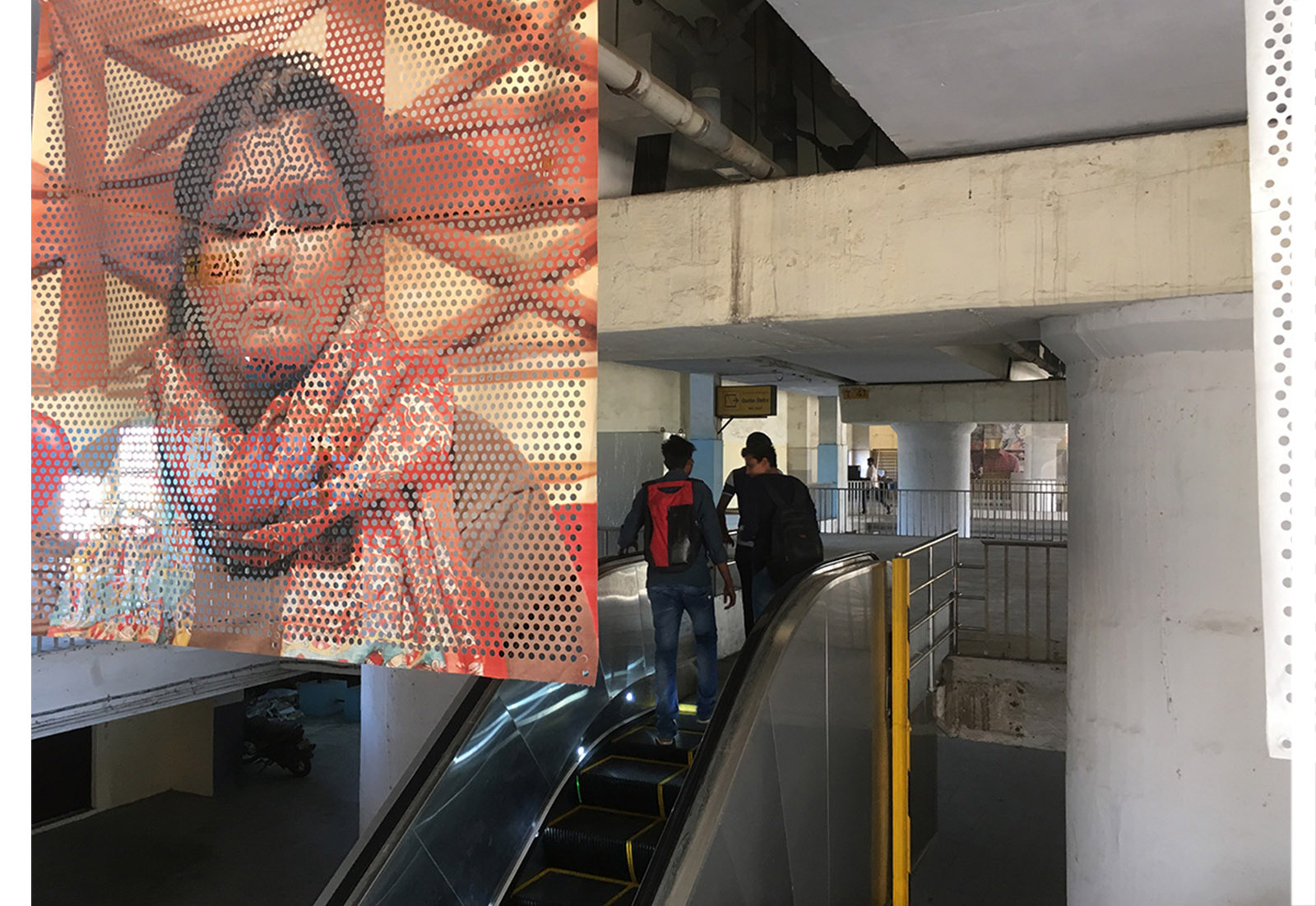
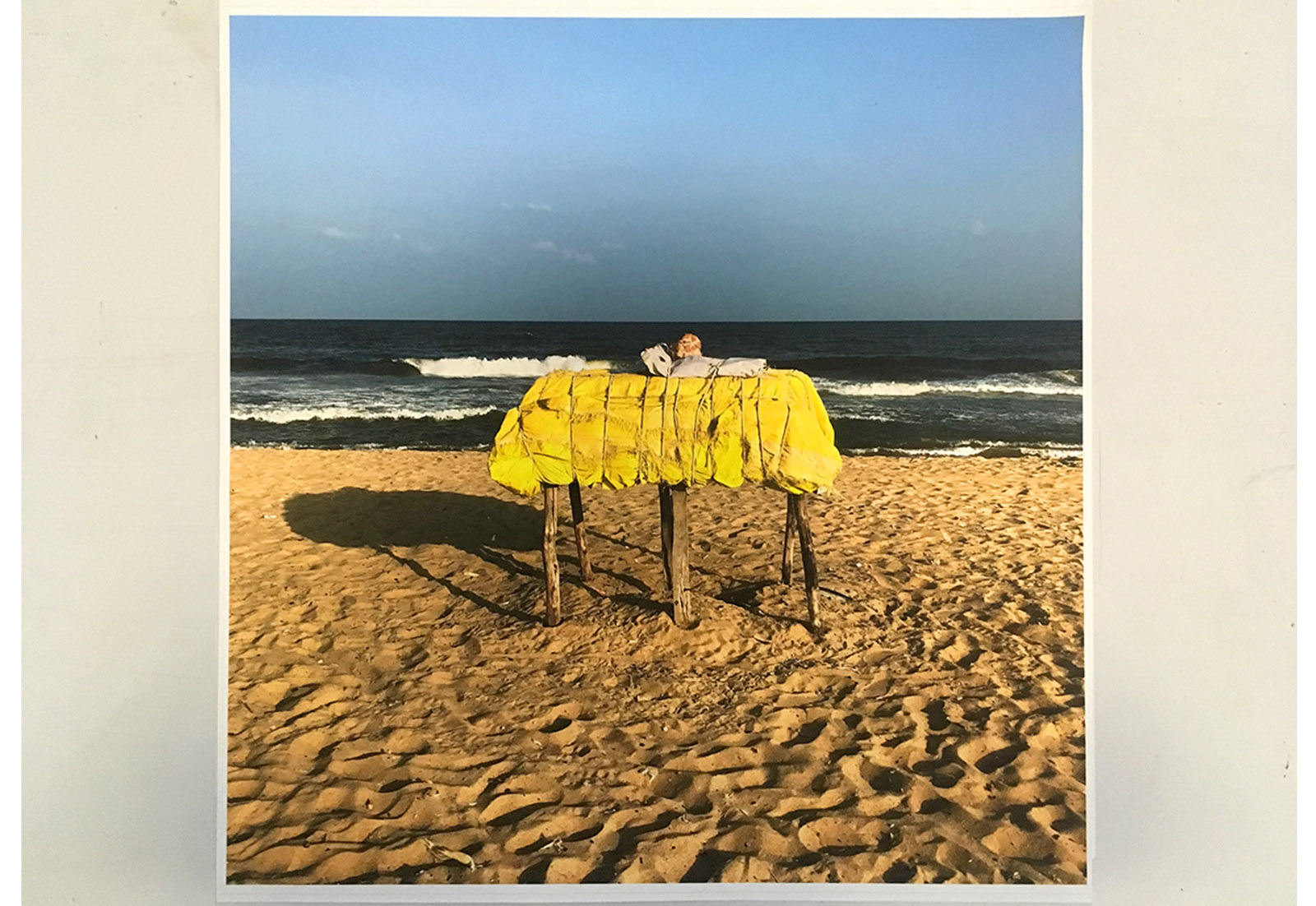
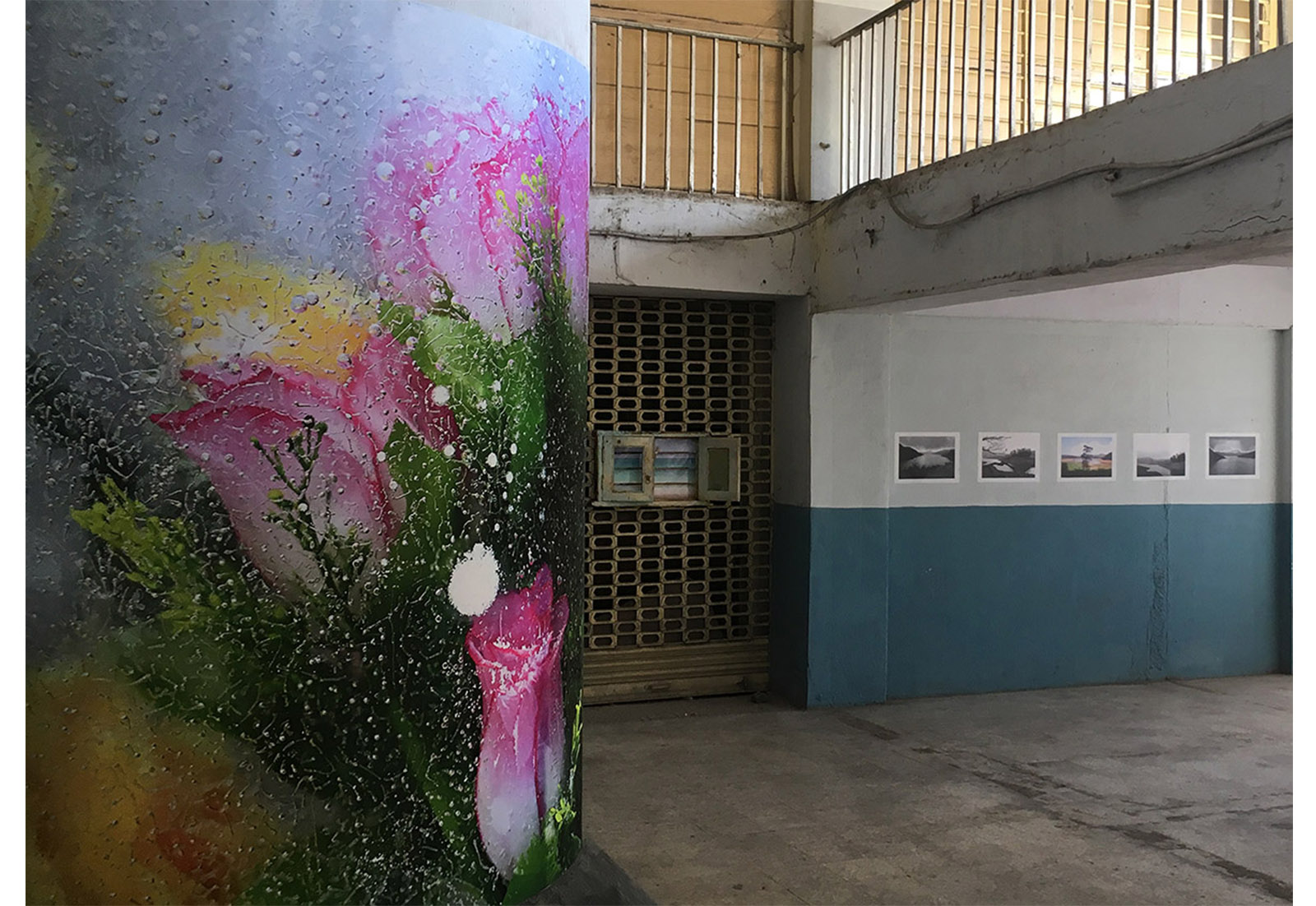
The Fragment Corpora [Folio]
The air itself is one vast library on whose pages are forever written all that man has ever said or women whispered
Charles Babbage
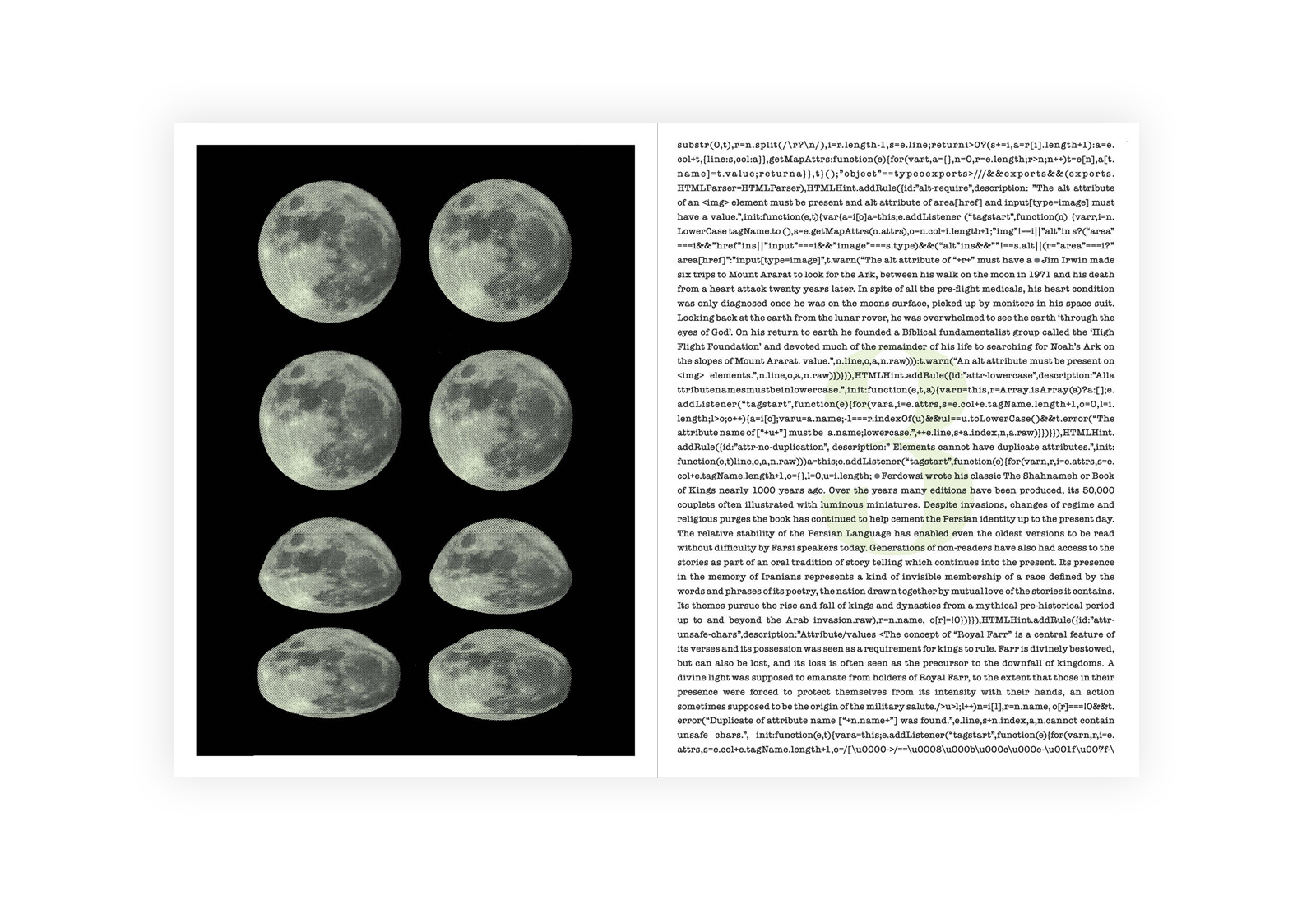
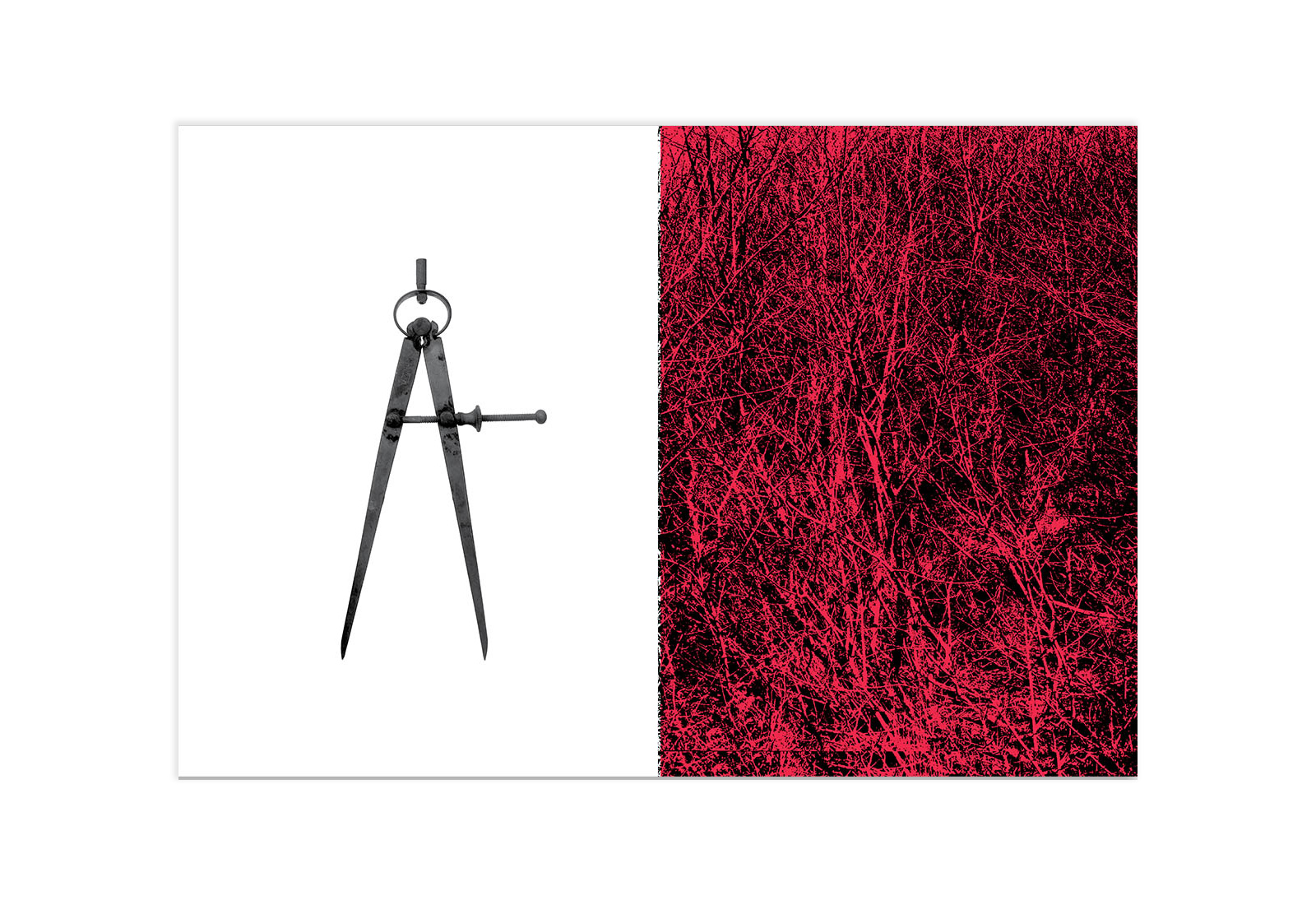
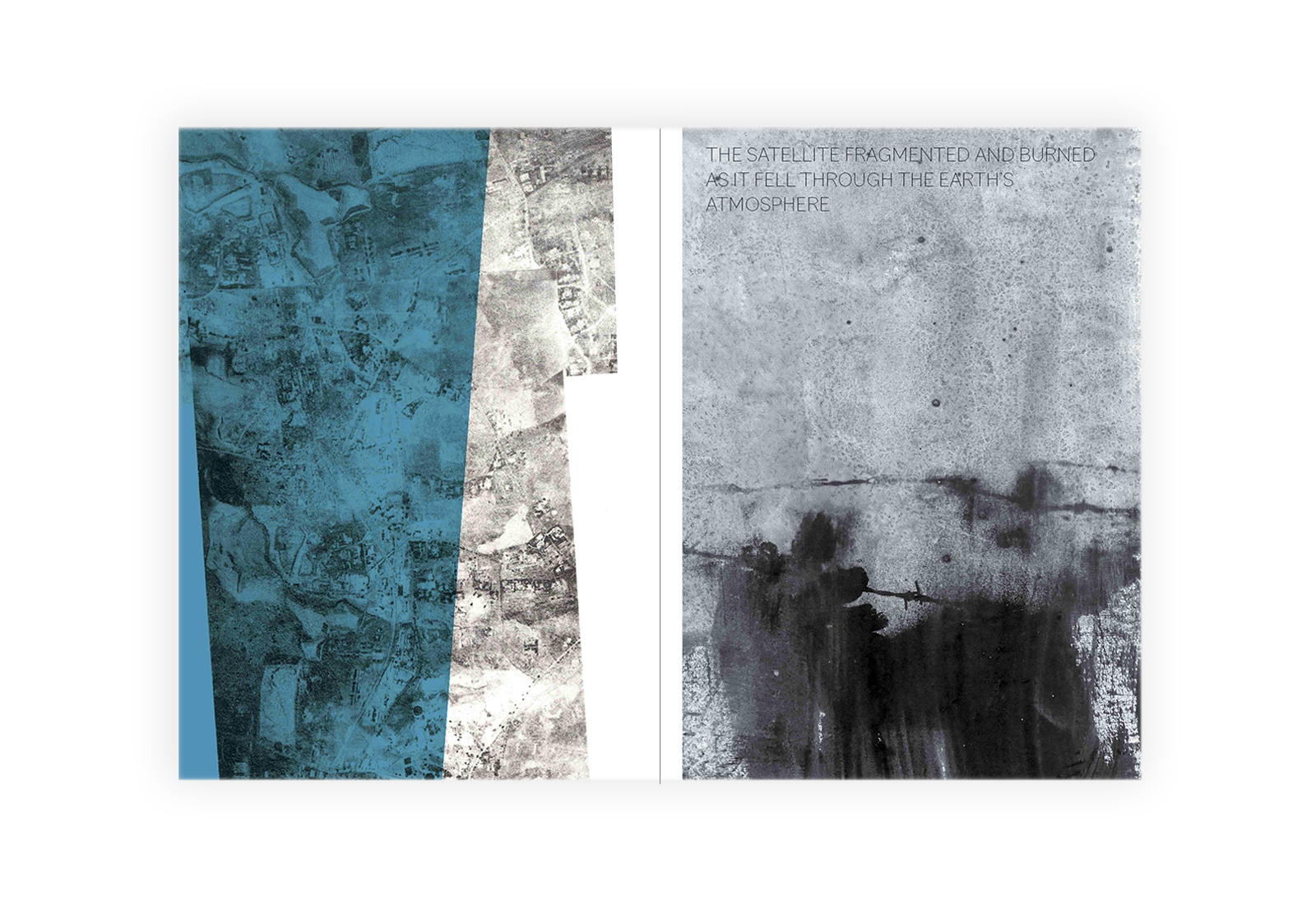
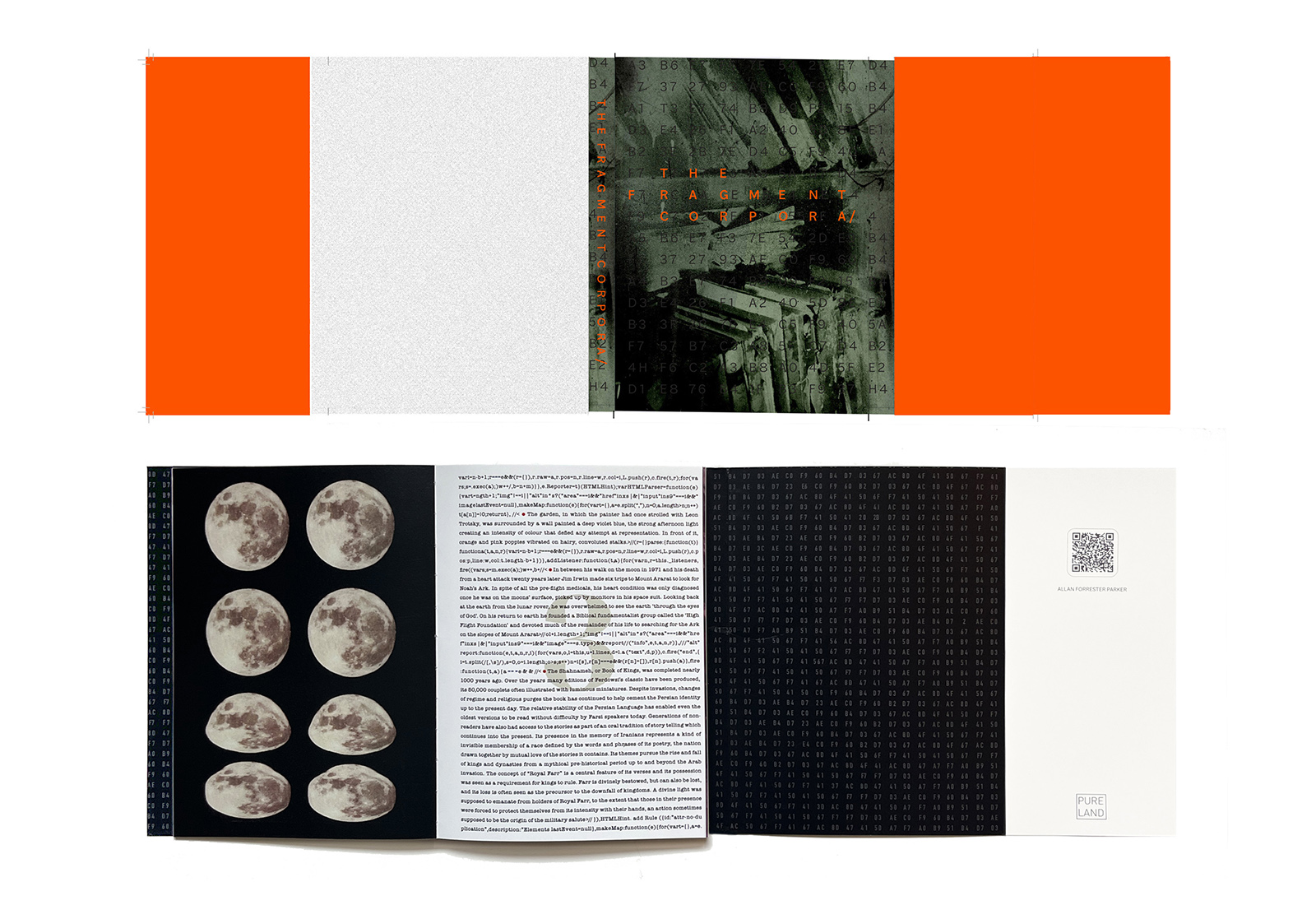
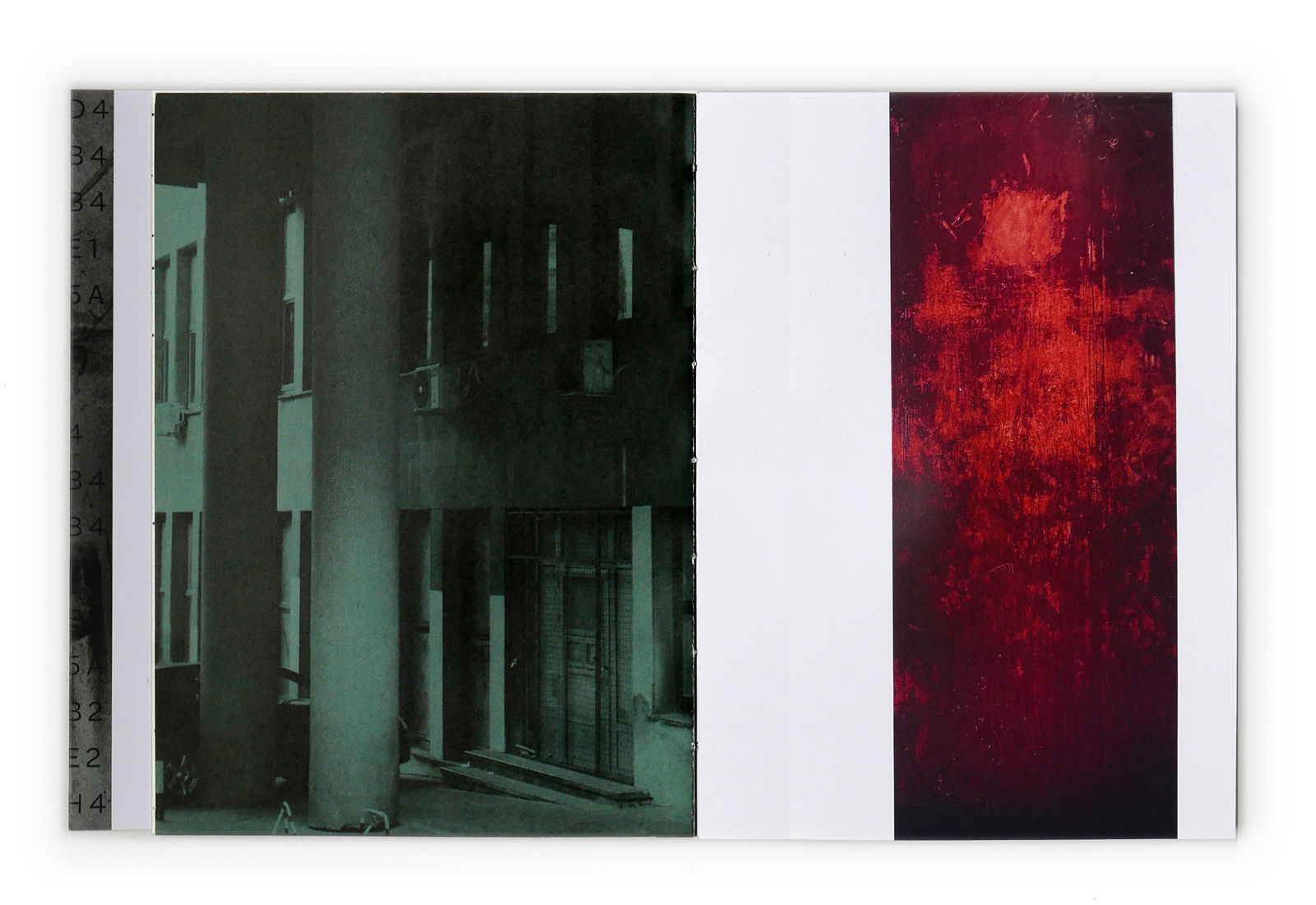
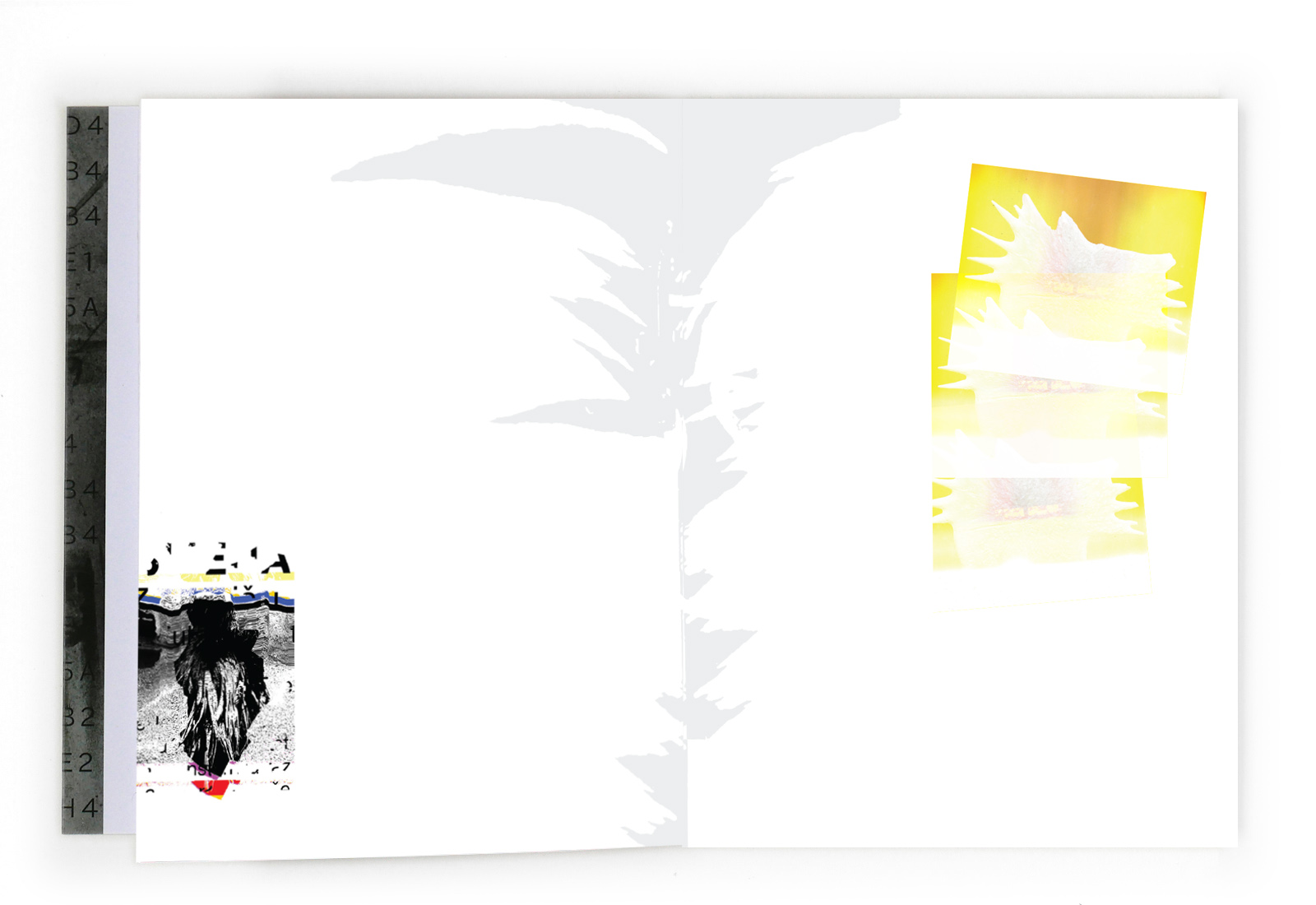
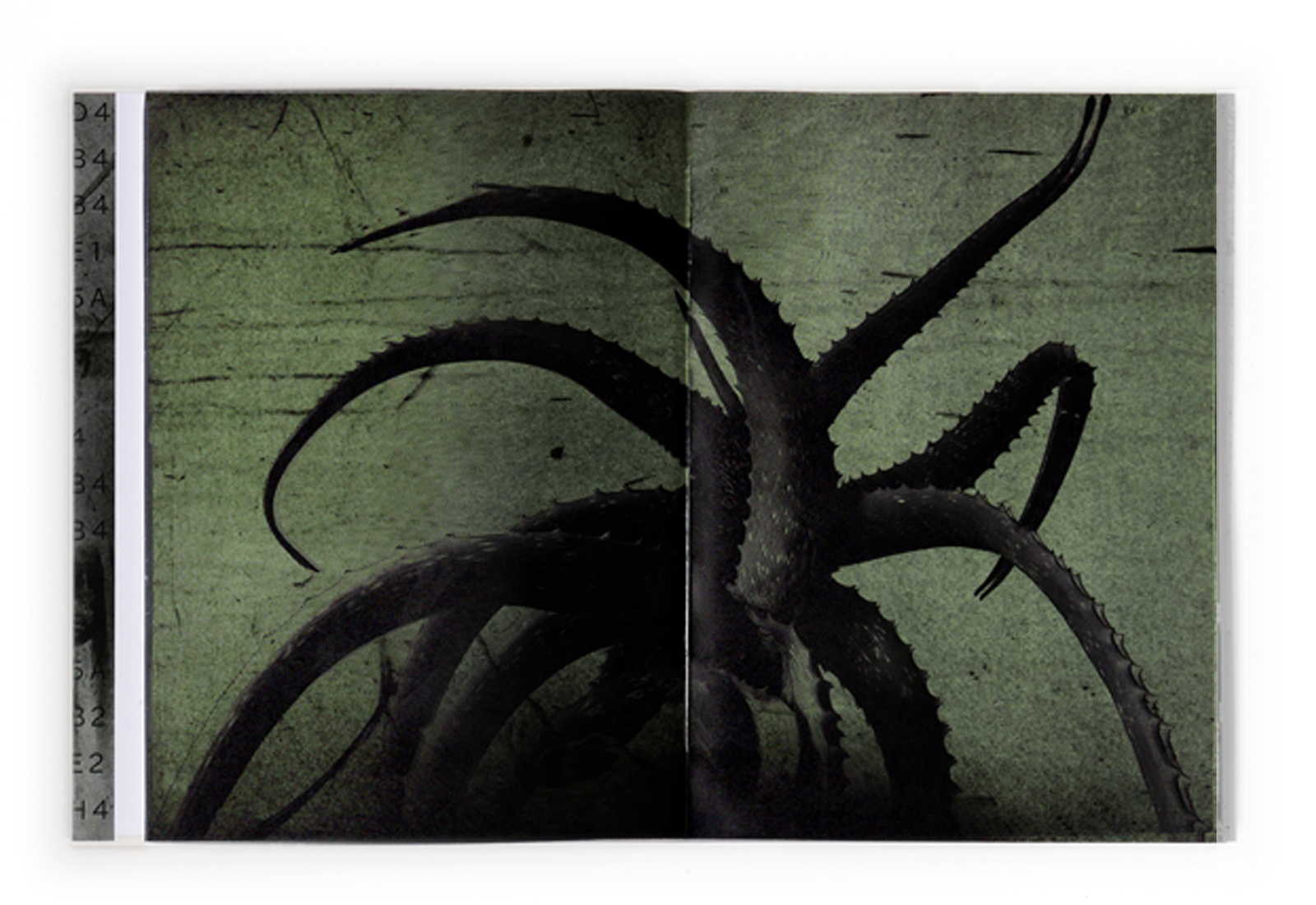
Folio format book (28cmx38cm) Edition of 12.
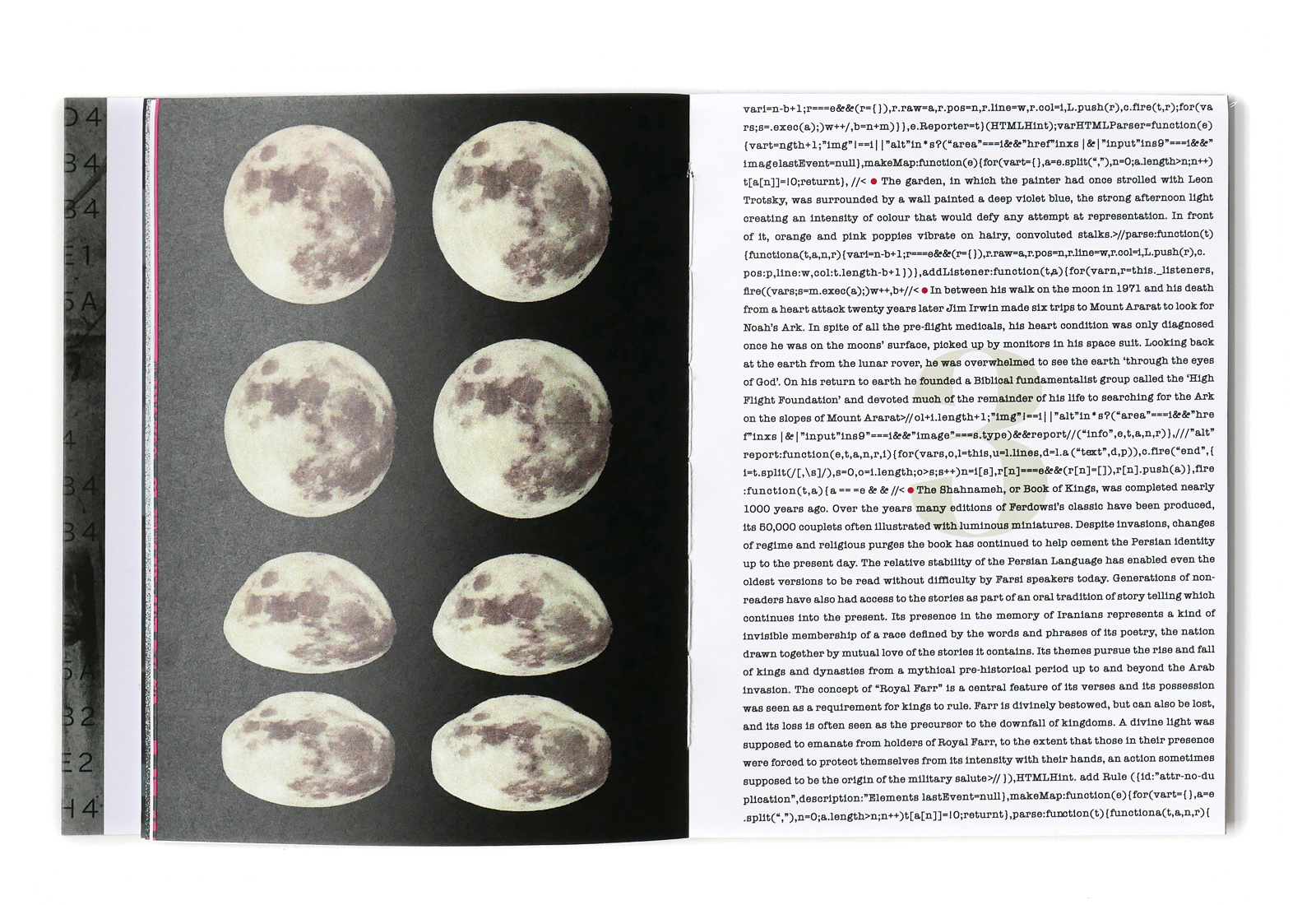
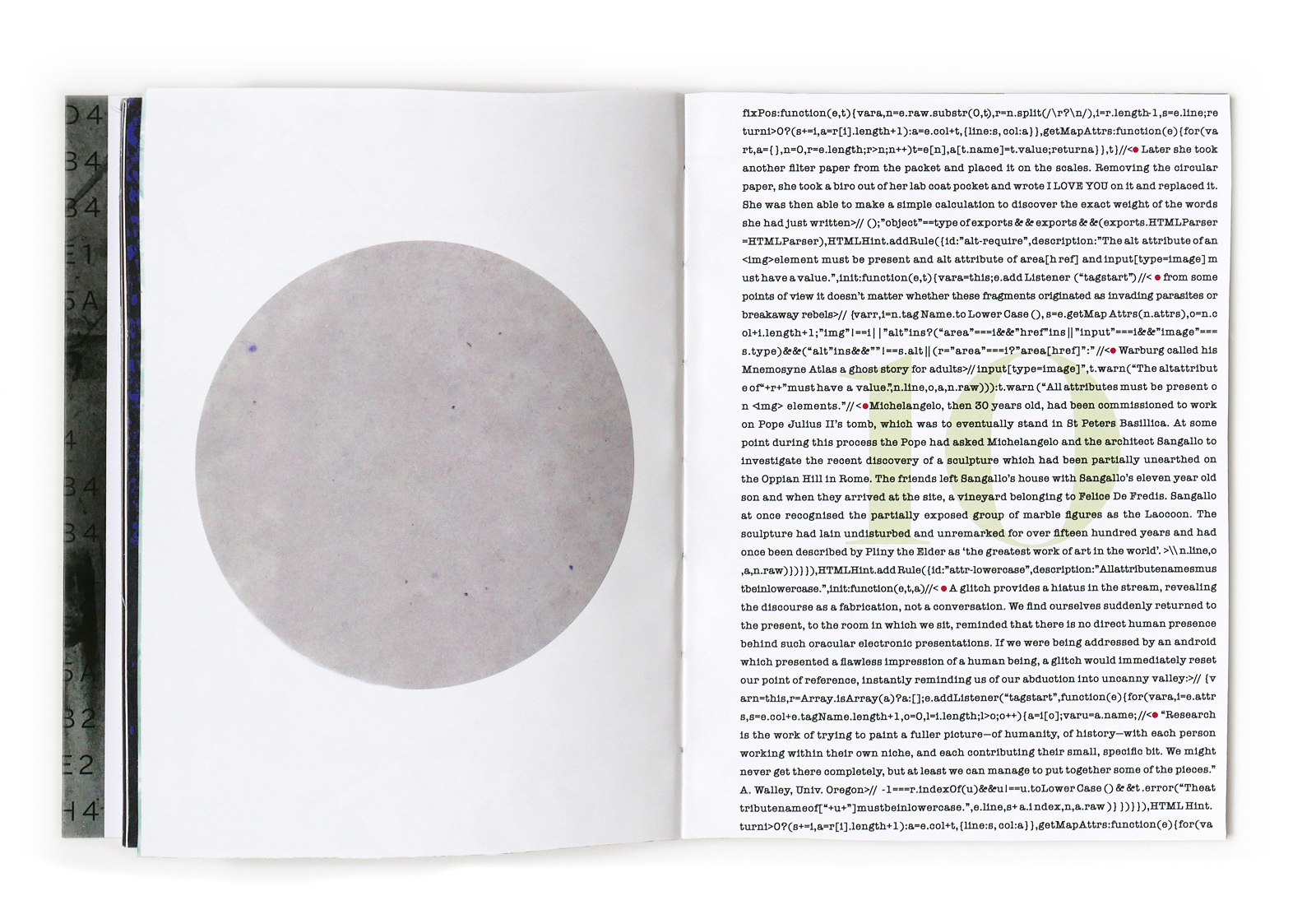
4 x sewn sections of screen prints, lithographs, pigment prints, toner copies and chine collé.
Collaboration with Atelier Prati (Bengaluru) assisted by students from Srishti Institute of Art & Design, (Bengaluru).
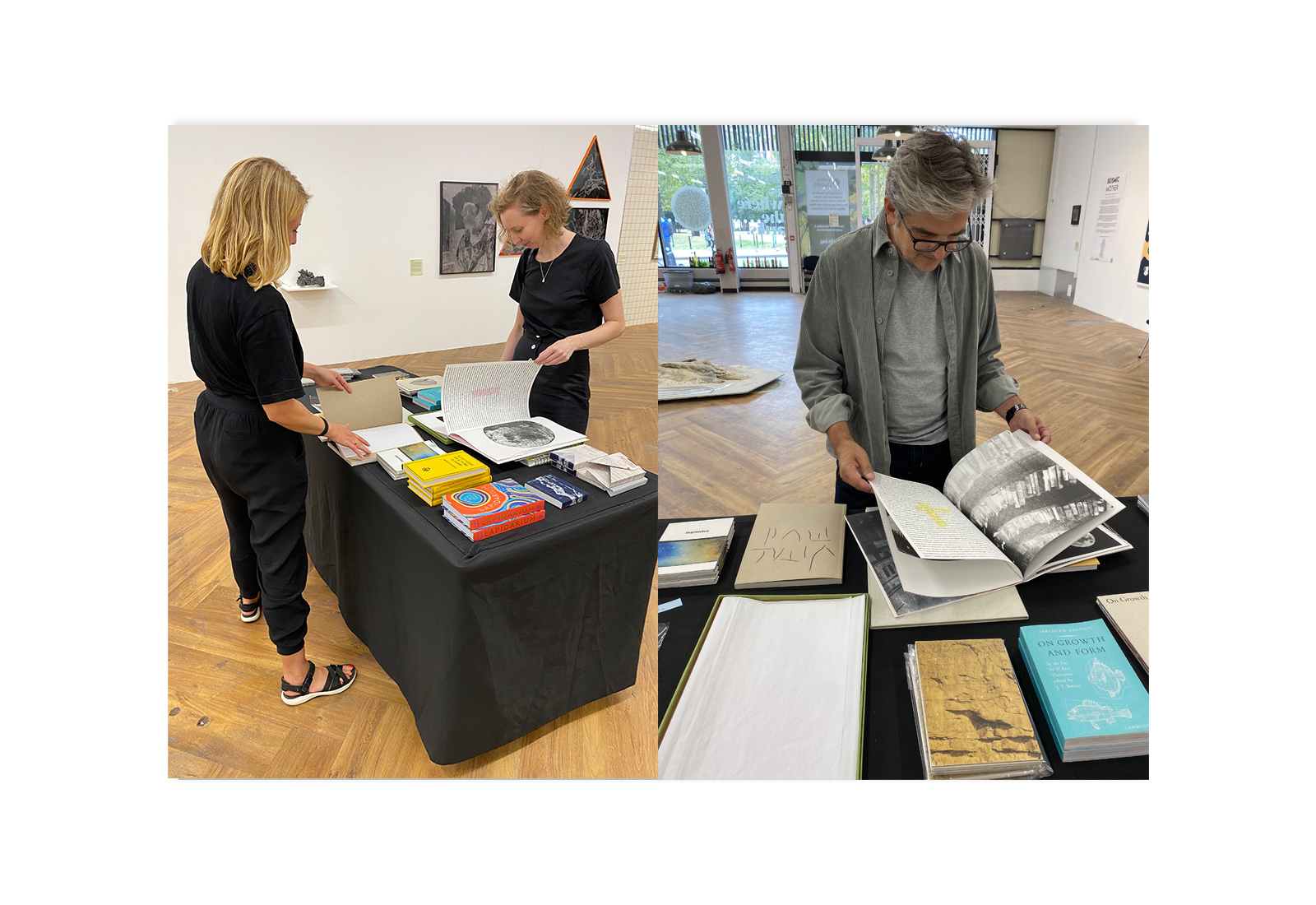
This version is held by various collections including UAL (Camberwell), JOJO’s Library (Mumbai) and Reliable Copy (Bangalore).
Project conception, artwork creation, binding, project supervision etc. Allan Parker
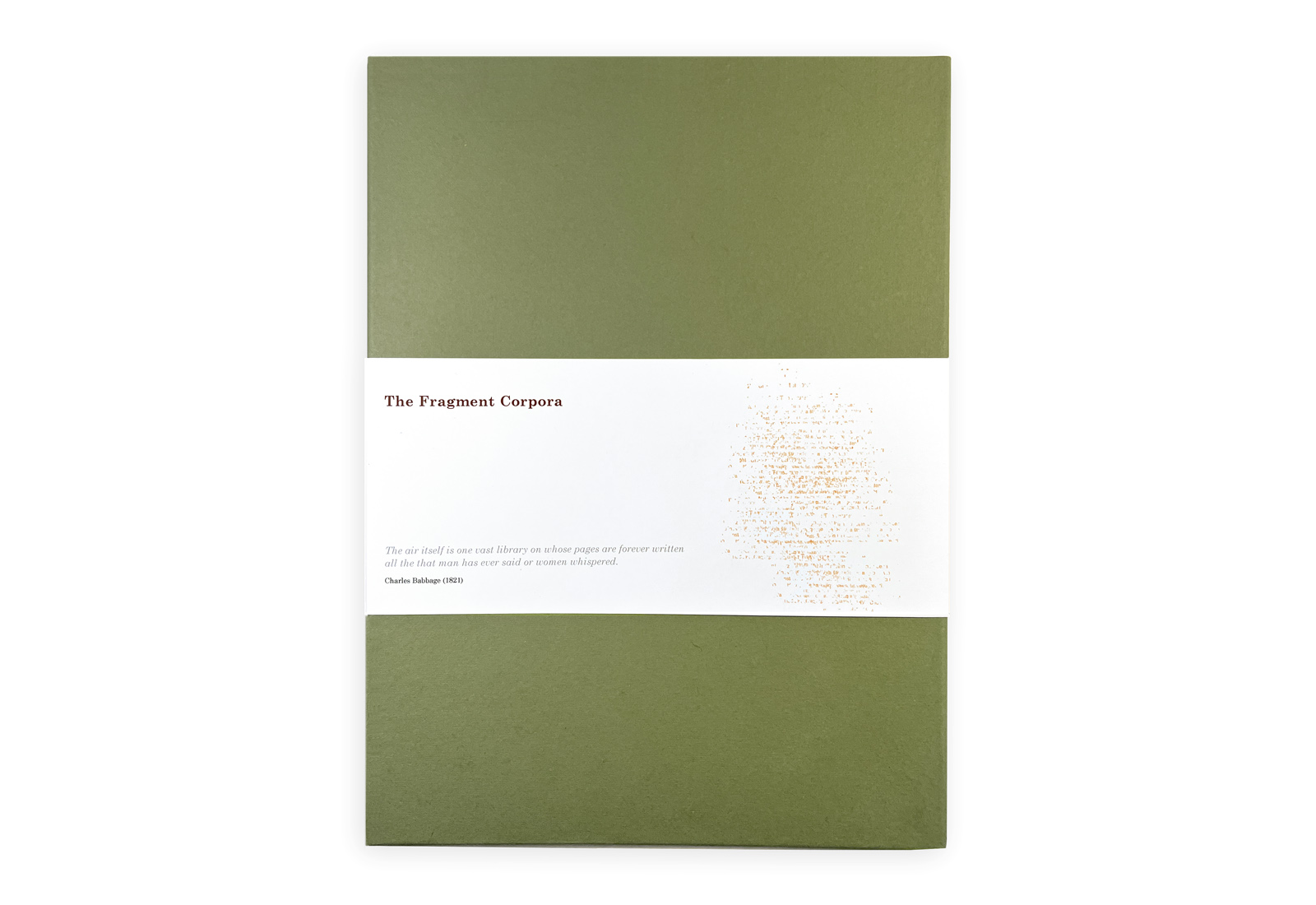
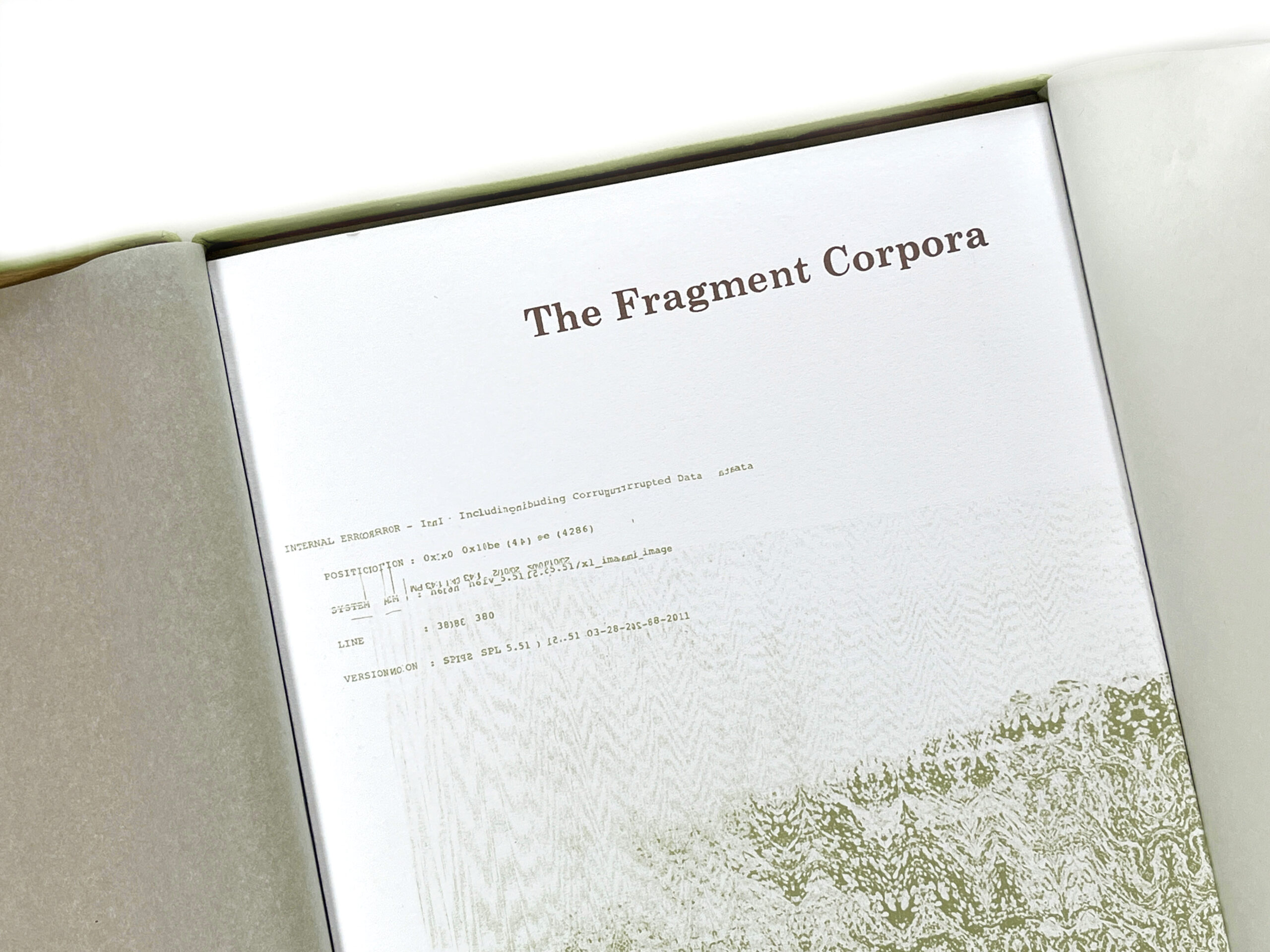
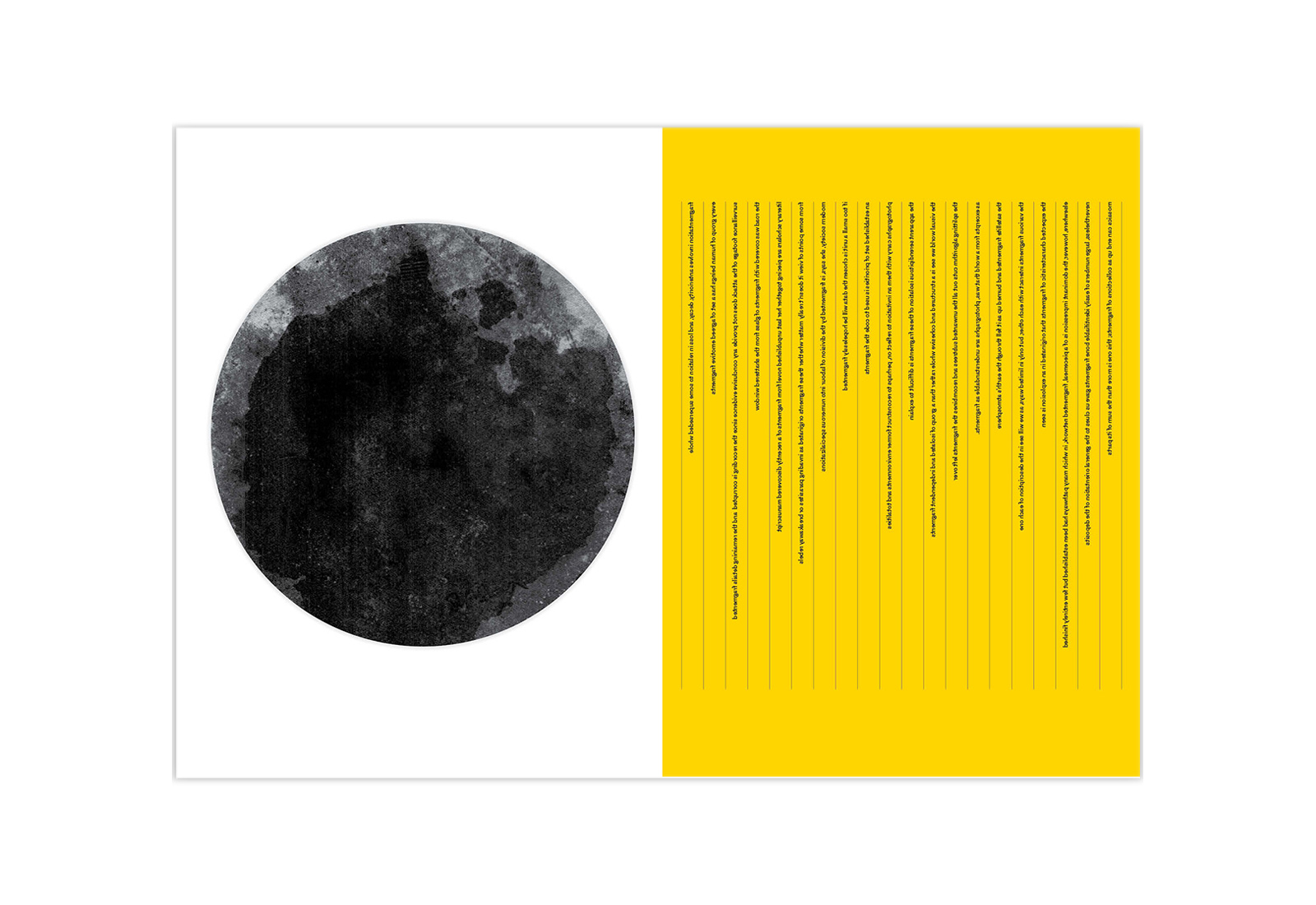
The Fragment Corpora [Book]
Printed in January 2026 by JAK printers in Mumbai, India. 144 pages with a wraparound cover.
Published by Pure Land Press, ISBN 978-0-9564105-7-3
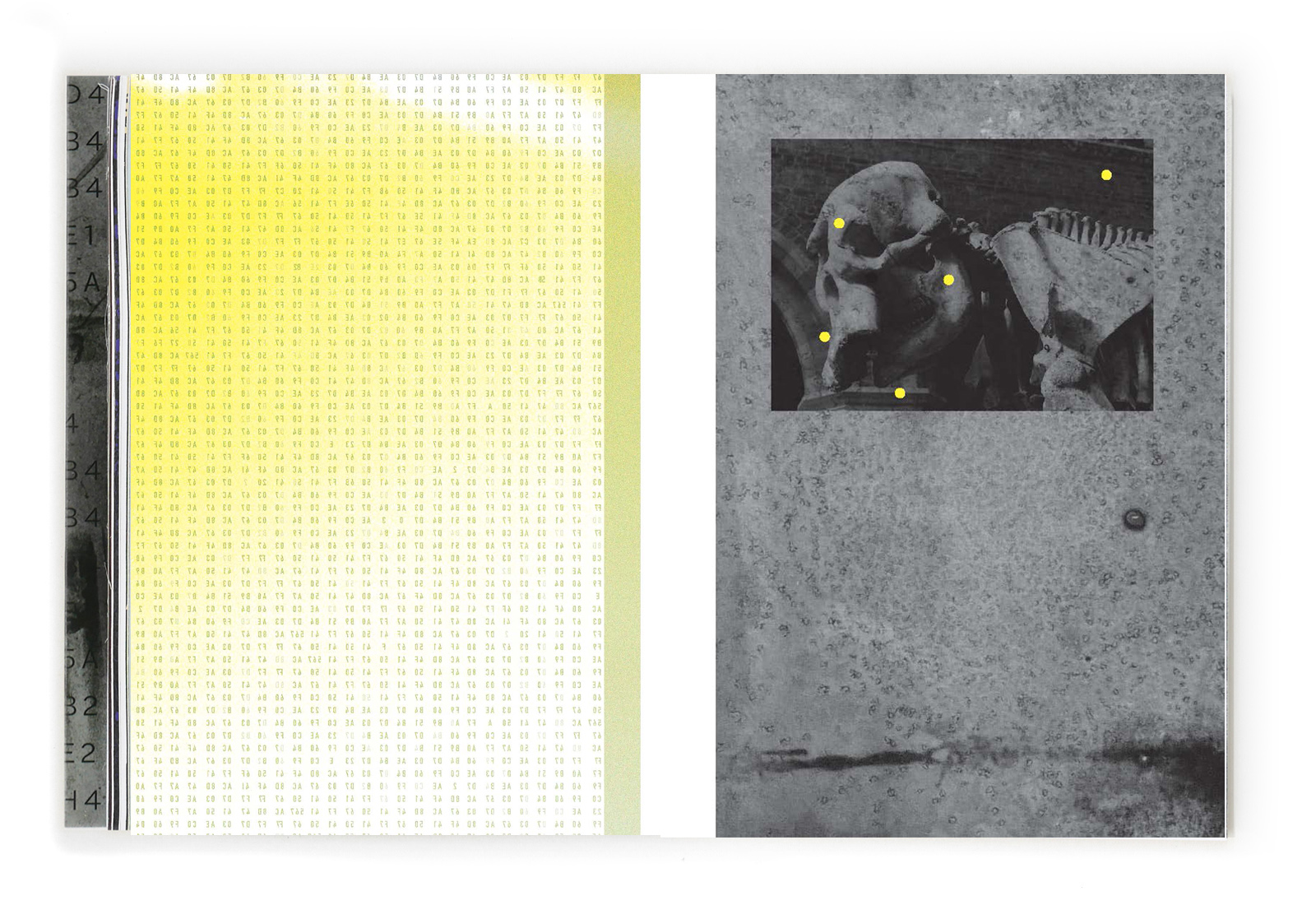
Early collections of knowledge about the world, such as libraries and encyclopaedias also include Cabinets of Curiosities. These collections prefigured the museums of modern times, when collectors began to favour taxonomies based on science and history. The digital world, in which we can include AI, is perhaps the most recent episode in this story of ‘completist’ projects which attempt to lay out the world before us.
The images and texts in The Fragment Corpora include a variety of seemingly random elements referencing aerial views, coding, psychological tests, allegories, art history, astronomy, poetry, micro and macro environments, images of wholeness and fragmentation and the mathematical sublime.
The book embraces the limitations of such attempts to construct meaningful images of the world we inhabit, acknowledging the optics through which such descriptions are necessarily determined.
The Fragment Corpora seeks to expand the notion of the book into something which can be experienced in a three dimensional space. The pages of the book variously represent projections, prints, lightboxes, screens and online presentations and ultimately a large language model (LLM), which is currently in development.
The book was conceived, created and seen through the press by Allan Parker and forms a significant element of the background research for this project.

The Ulam Spiral
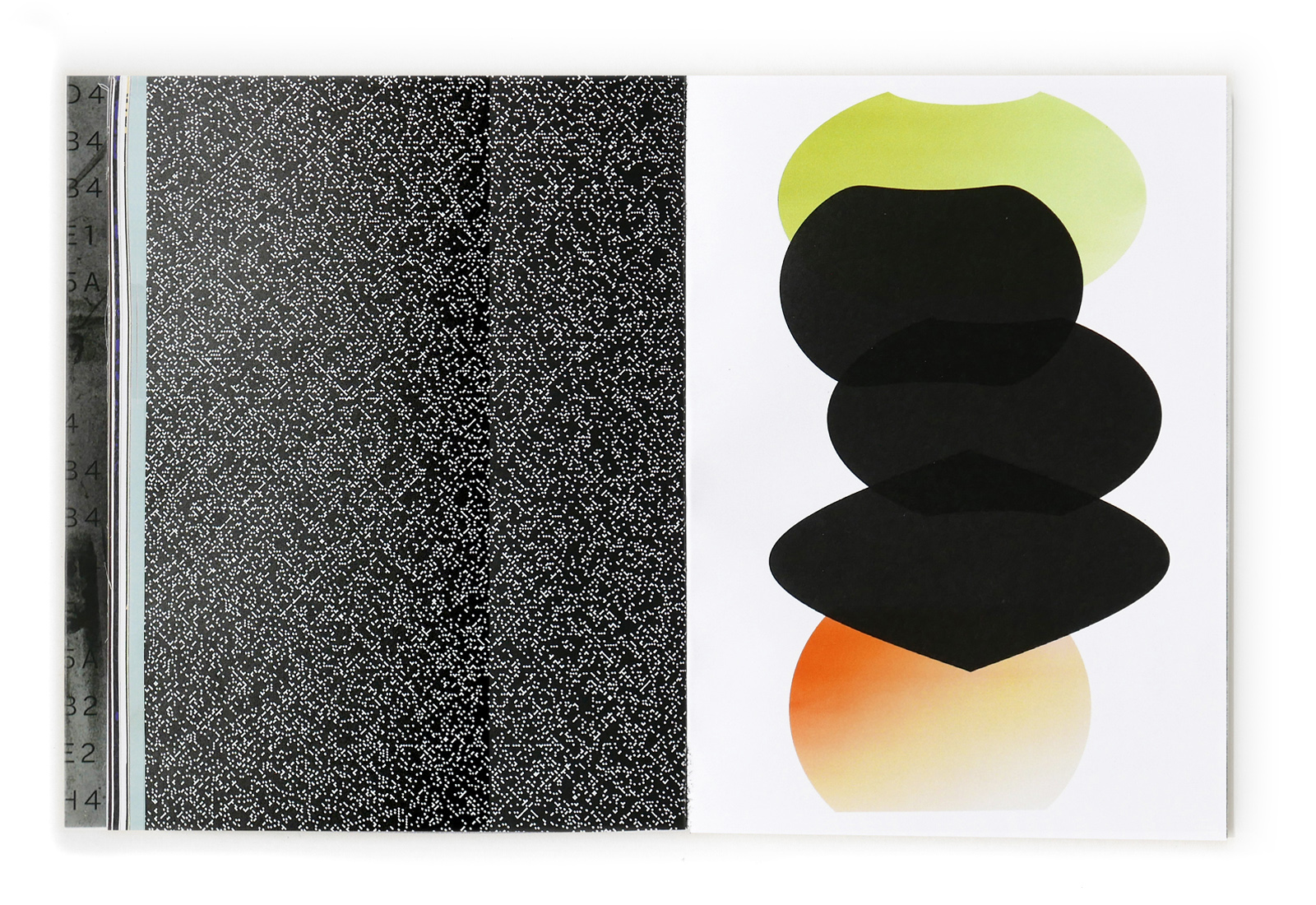
The Ulam Spiral is an image of the prime numbers. The natural numbers are arranged in a square spiral, with the primes represented by white pixels against a black background of non-primes.
The programming by Dr Richard Christian and production by Allan Parker shows as much of the infinite sequence as can fit within the bounds of the screen. It currently exists on a local server.
The number of each prime number is shown on the screen when the custom cursor passes over it.
It represents the mathematical sublime and embodies a key mystery in mathematics. A unique sound is produced by each pixel as the cursor passes over it which creates complex harmonics as the sounds combine. This work is interactive and can be ‘played’ by visitors to the gallery via a track pad.
It also features in the Fragment Corpora book.
The project was developed by Dr. Richard Christian and Allan Parker and the sounds provided by composer Georgina Brett.
It was last shown at Alliance Française de Bangalore in Jan 26.
A Coalition of The Willing
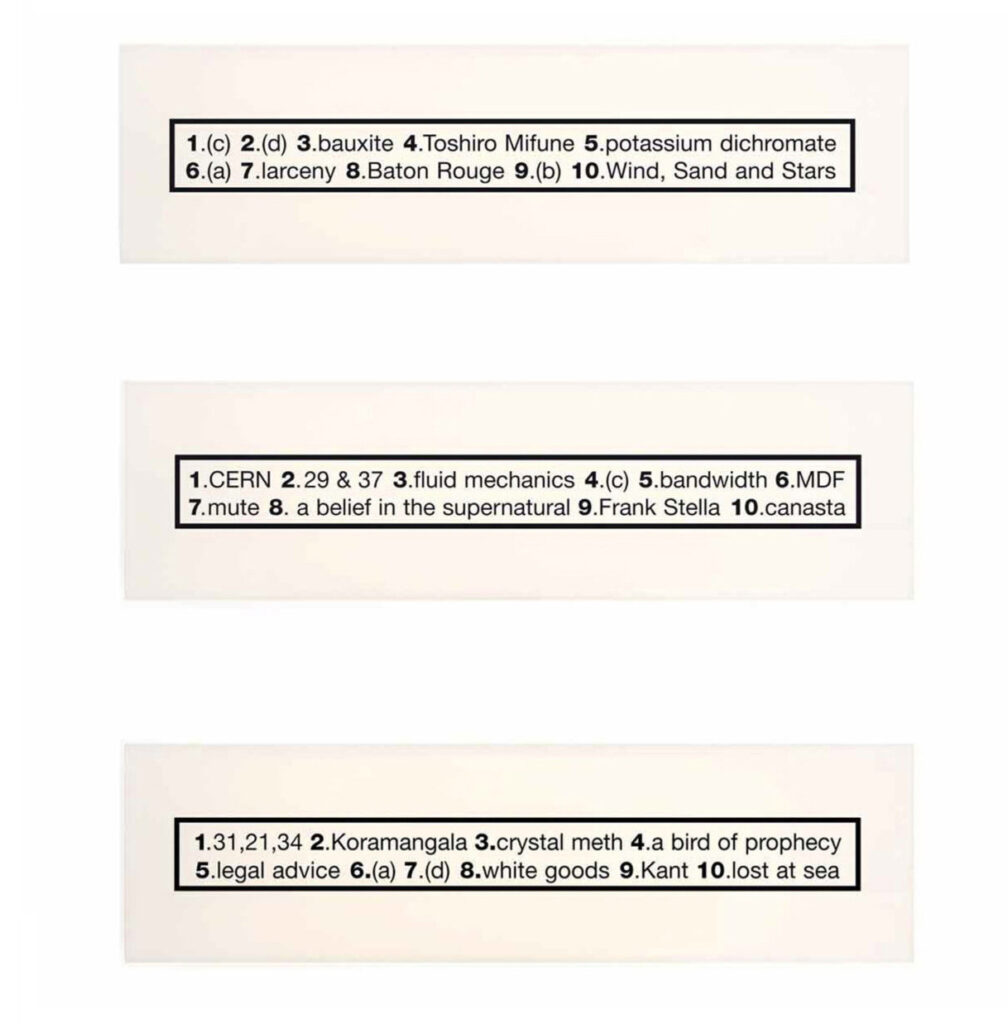
LED Lightboxes are screen-printed with texts which suggest the answers to a quiz or competition. There are no questions – but the panels hint at the biographical nature of knowledge and memory.
Lightbox dimensions: 63cm x 18cm x 2.5cm
Conception, artwork and lightbox production Allan Parker
The Foam Diaries
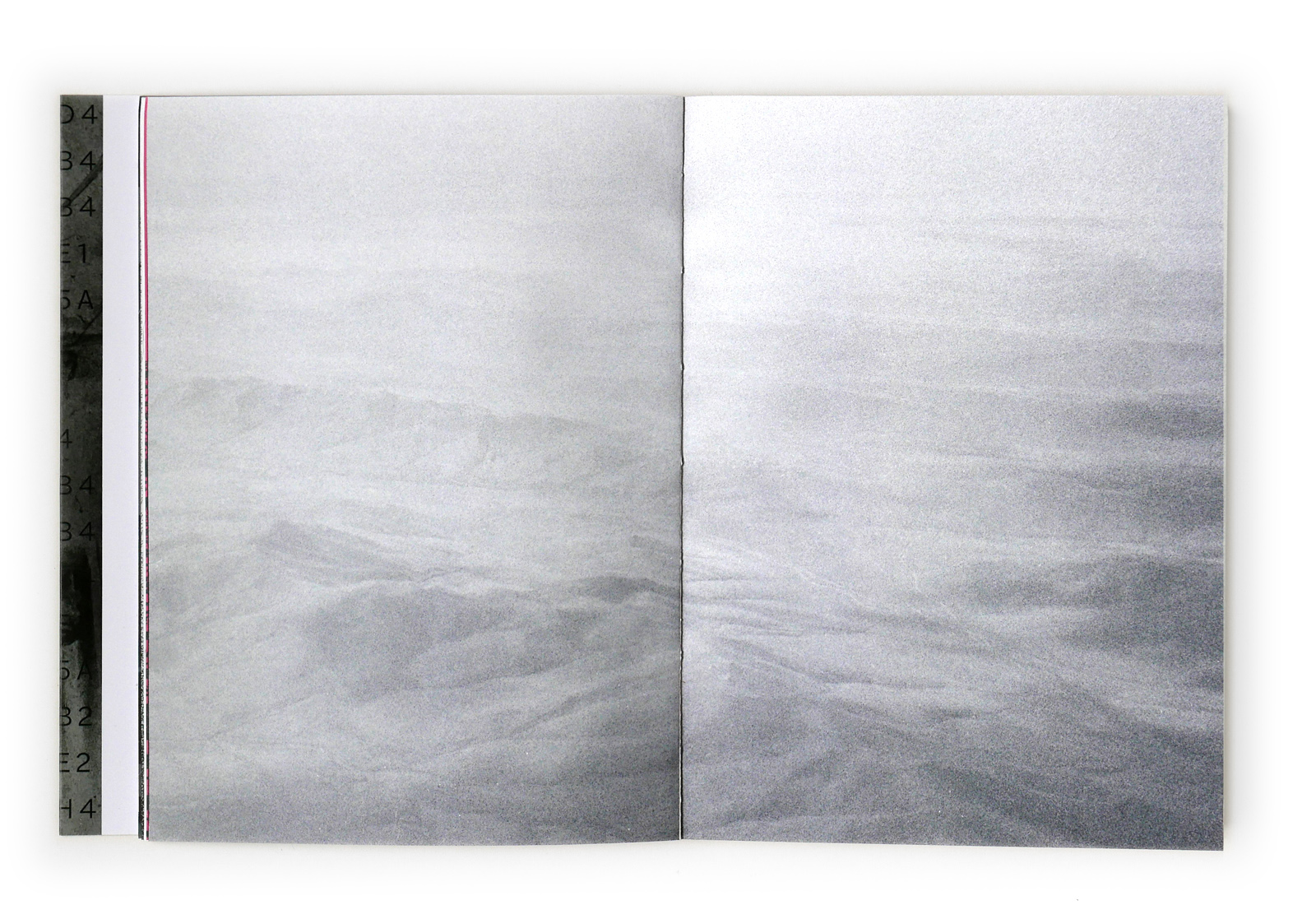
The Foam Diaries are a series of photographs of an unspecified subject presented in an approximately A4 diary or notebook format. The images indicate behaviour similar to weather systems or ocean currents, which meteorologists describe as ‘complex’ systems’.
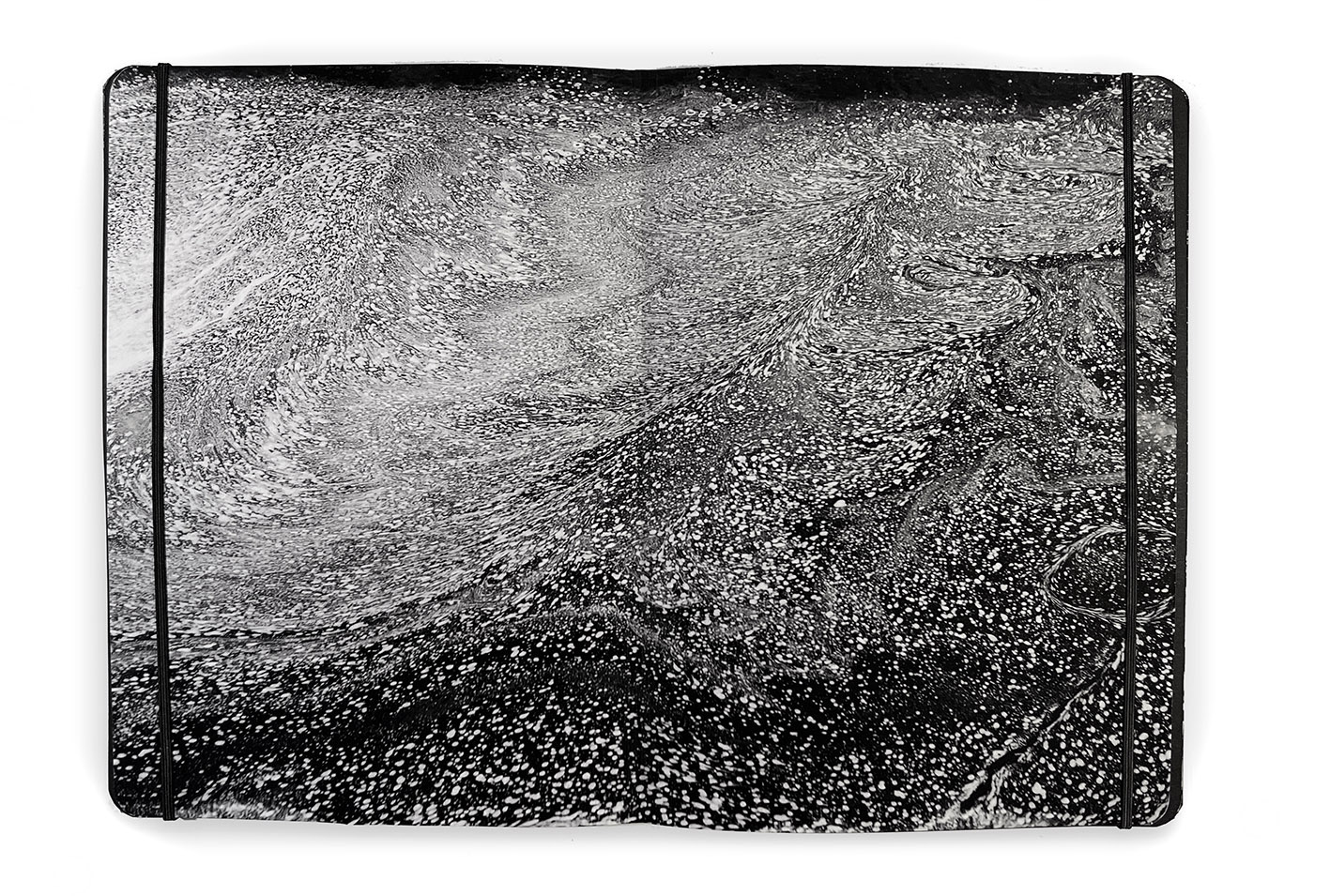
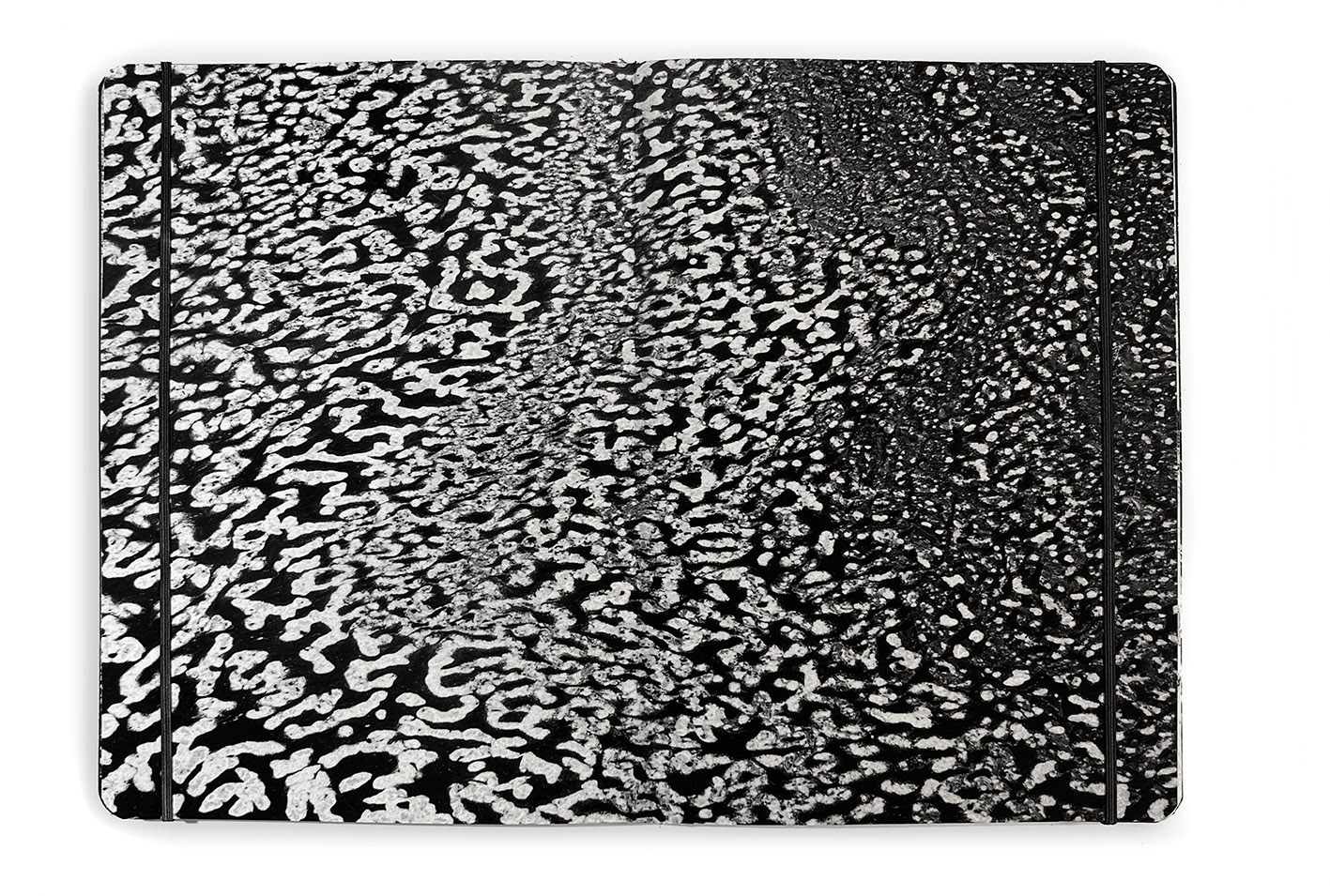
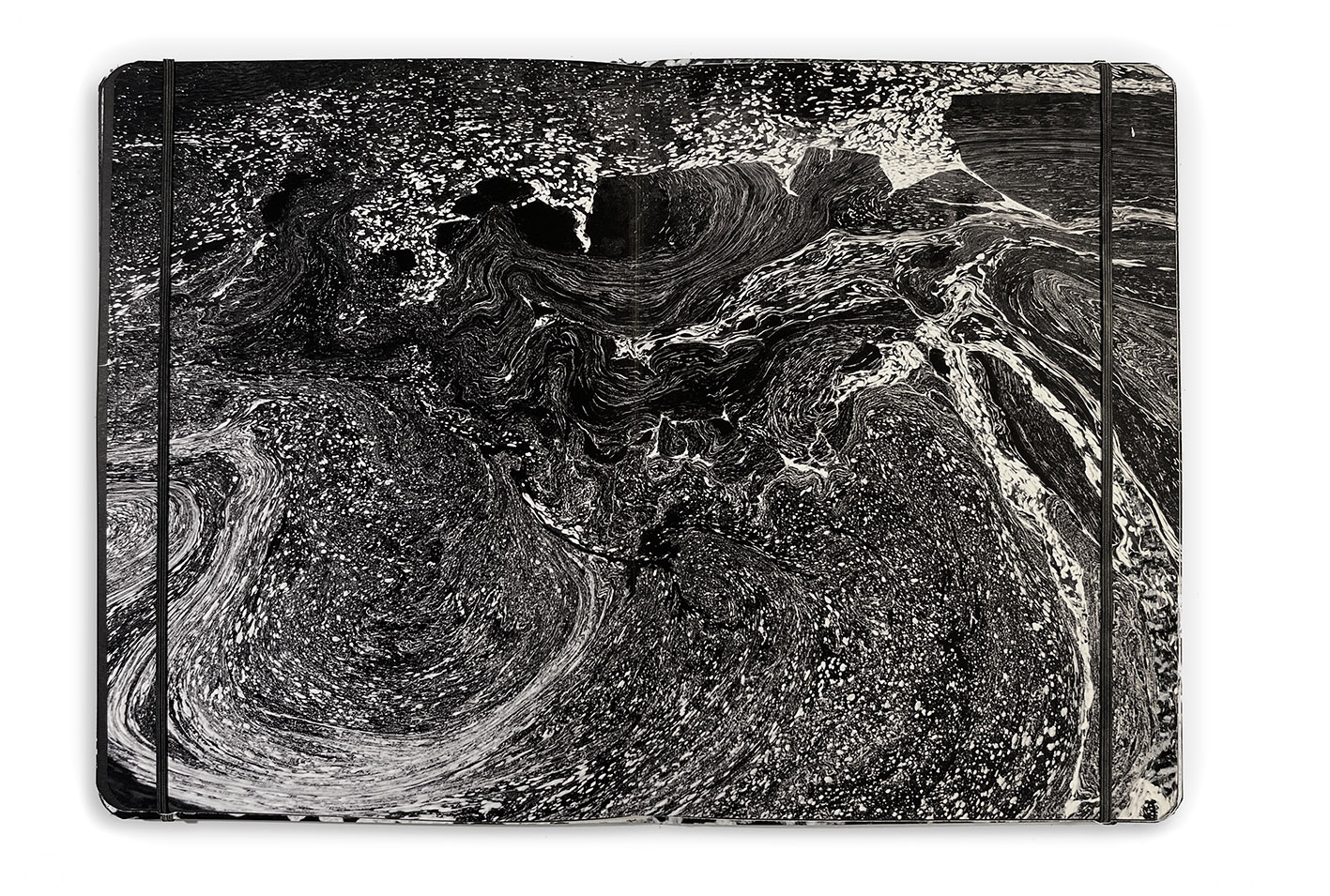
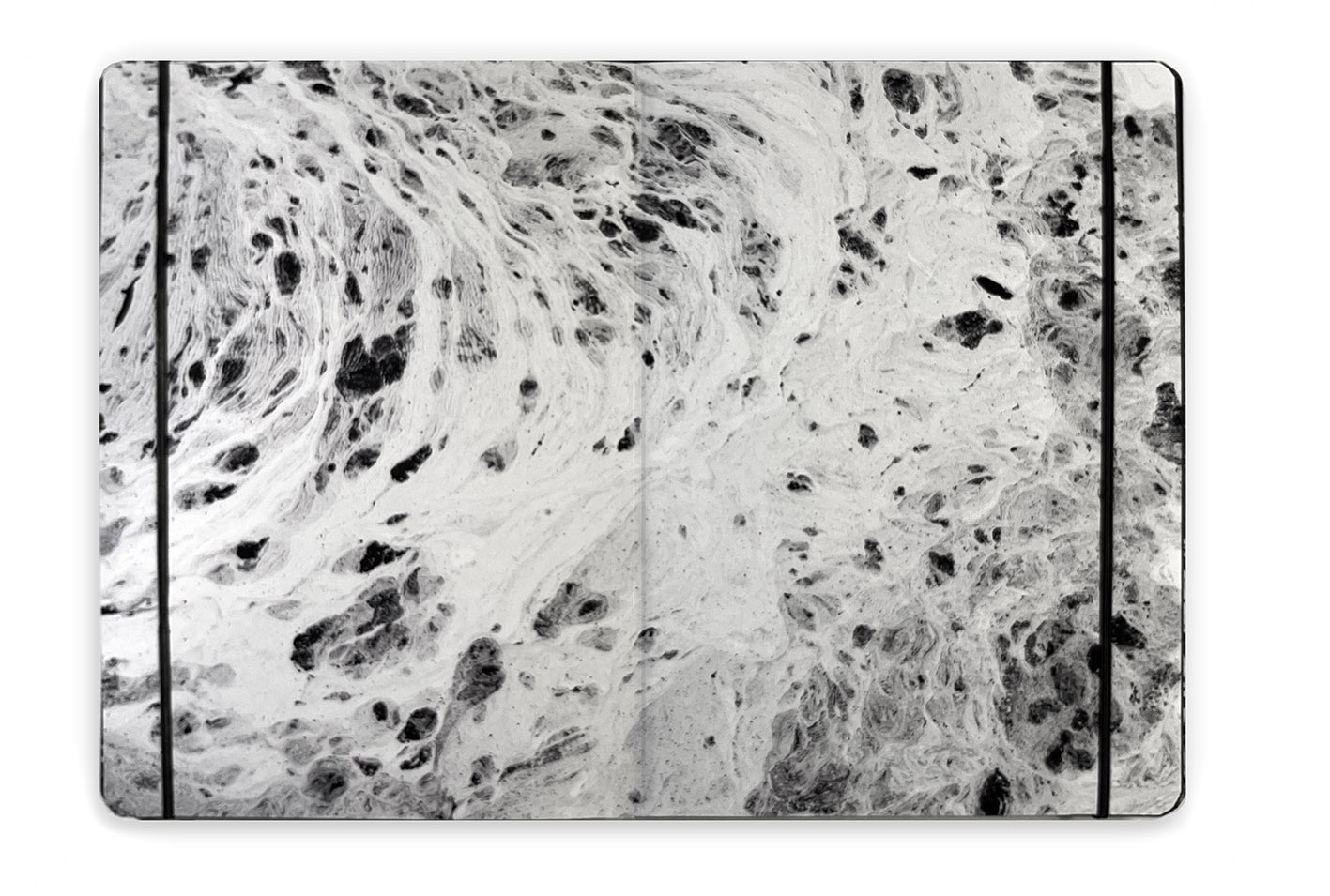
Along with other complex systems such as fluid dynamics, ant colonies, financial markets and AI, the images point to the presence of emergent properties. These are behaviours which do not exist in the individual components of such systems, but manifest when the system has reached a critical point. Complex systems often maintain themselves near critical points, or “tipping points”, which means they can undergo dramatic changes in response to relatively minor events.
All Photographs Allan Parker
Homo Viator
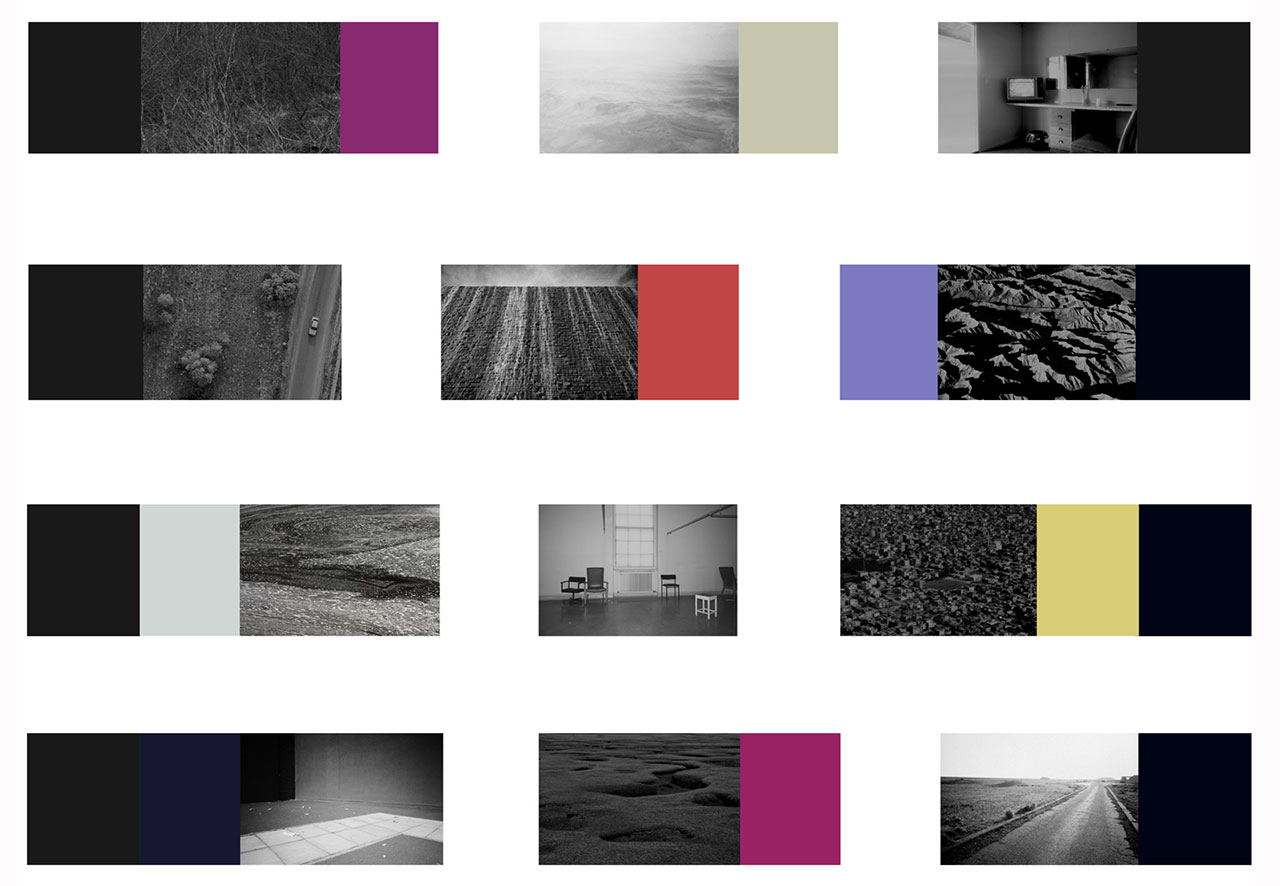
“Homo viator” is a term invented by the Christian Existential philosopher Gabriel Honore Marecel which reflects the notion that humans are on a spiritual journey, or pilgrimage, from conception to death. Despite distancing himself from the traditional philosophy of religion, Marecel’s concept of Homo Viator was very likely influenced by St. Augustine’s writings and brings to mind his often quoted statement from The Confessions: “You have made us for yourself, O Lord, and our hearts are restless until they rest in You”.
Medieval Christians perceived themselves as pilgrims, or peregrini, with the concept of pilgrimage identified as the emblem of a lifelong journey.
Thus, for medieval people, traveling in time and space had a spiritual dimension and ideally they journeyed not for diversion, but for enrichment. This required the process of travel to be assimilated and understood in a way that made this possible. This idea transcends its links to Christianity and retains its power as a motif in the secular world up to the present. Tolstoy once wrote that “All great literature is one of two stories: a man goes on a journey, or a stranger comes to town.” An assertion that was to be enthusiastically embraced by Hollywood.
The road movie retains the idea of experience gained by travel modifying the individual and maintains its spiritual underpinnings. Both of Tolstoy’s archetypal scripts involve travel, a subtle connection which may speaks to an intrinsic link between travel and the resulting encounters that create meaning from accumulated experiences.
The aesthetics of travel has recently acquired the status of a popular subject. Together with the rise of post-colonial studies, contemporary literary criticism has taken pains to discuss the issues related to the discovery of new lands and the exploration of hitherto unexplored territories. These territories can also be virtual or psychological landscapes as well as geographical ones.
Photographs and design; Allan Parker

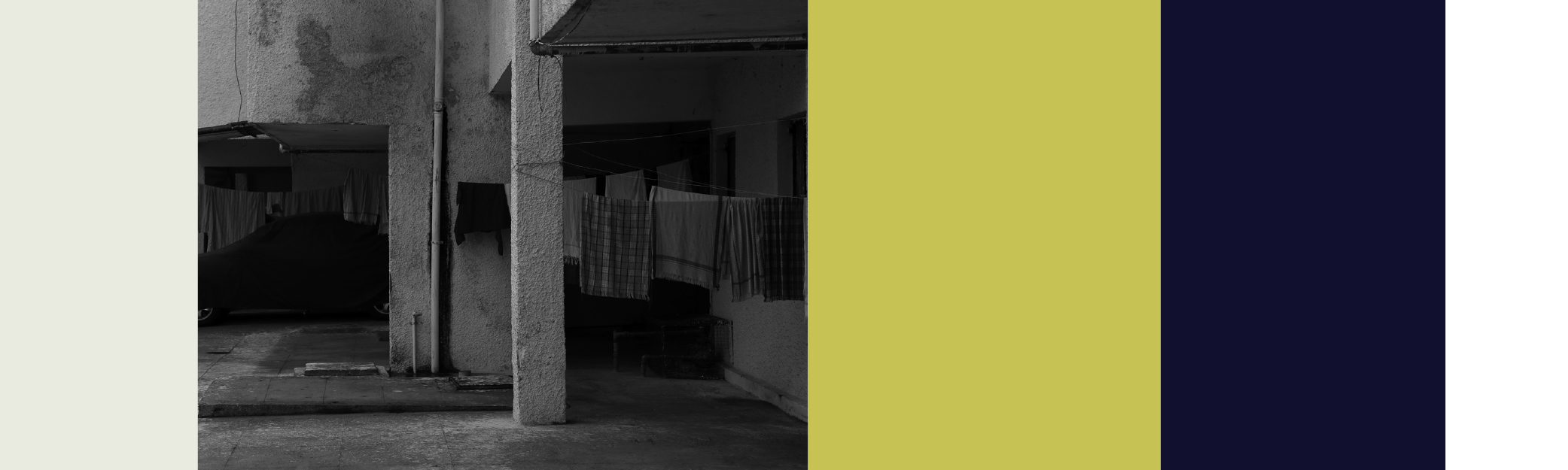
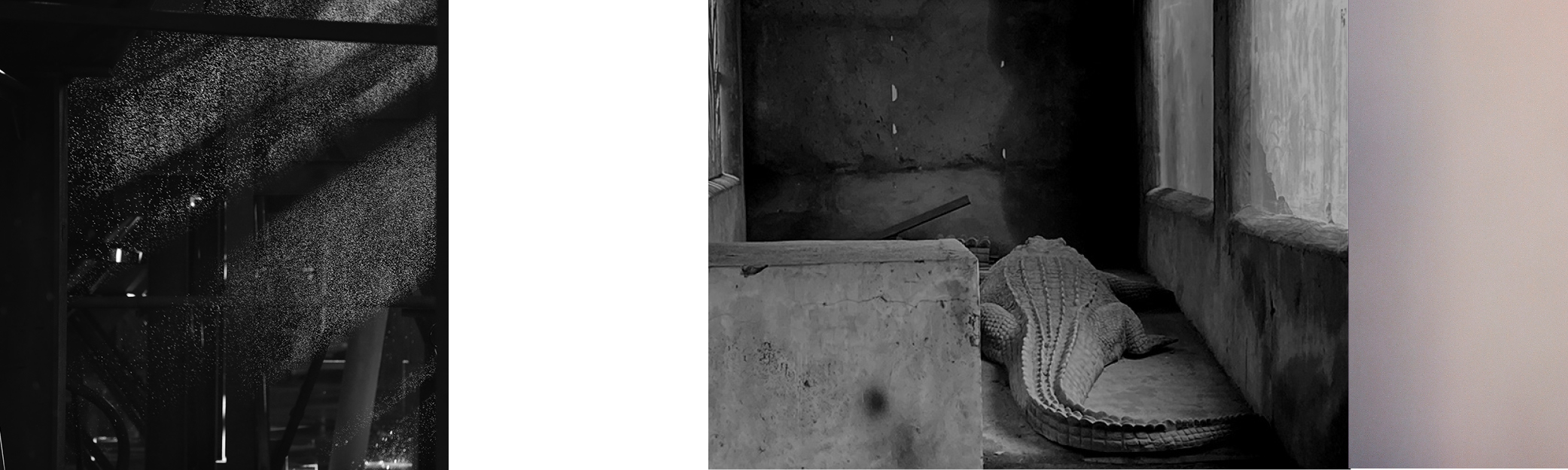
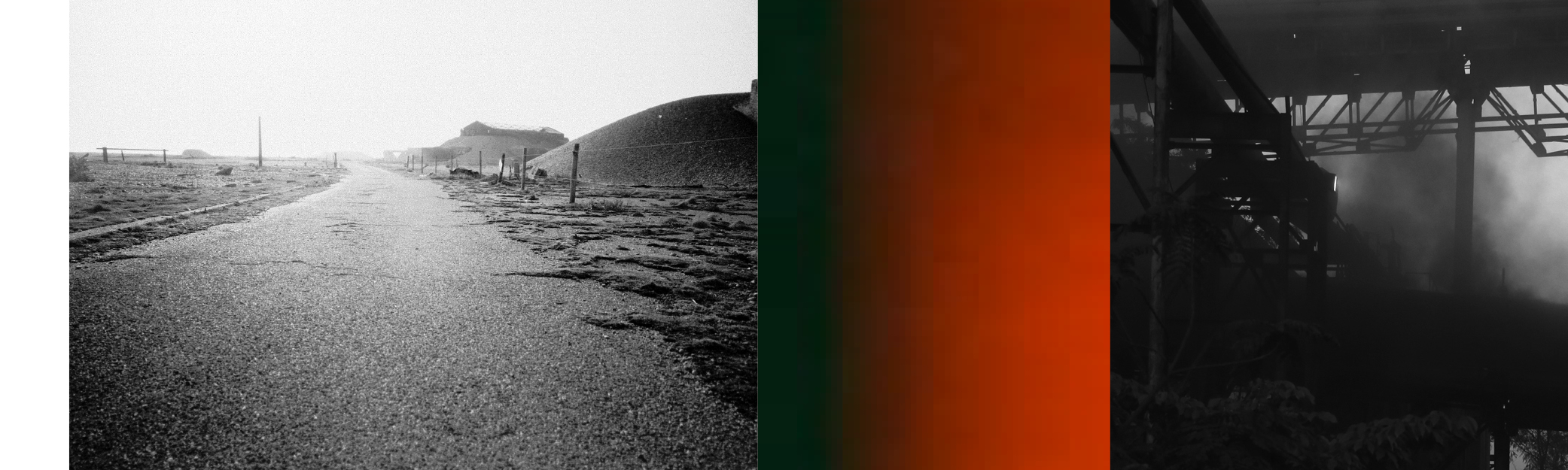
Undivided
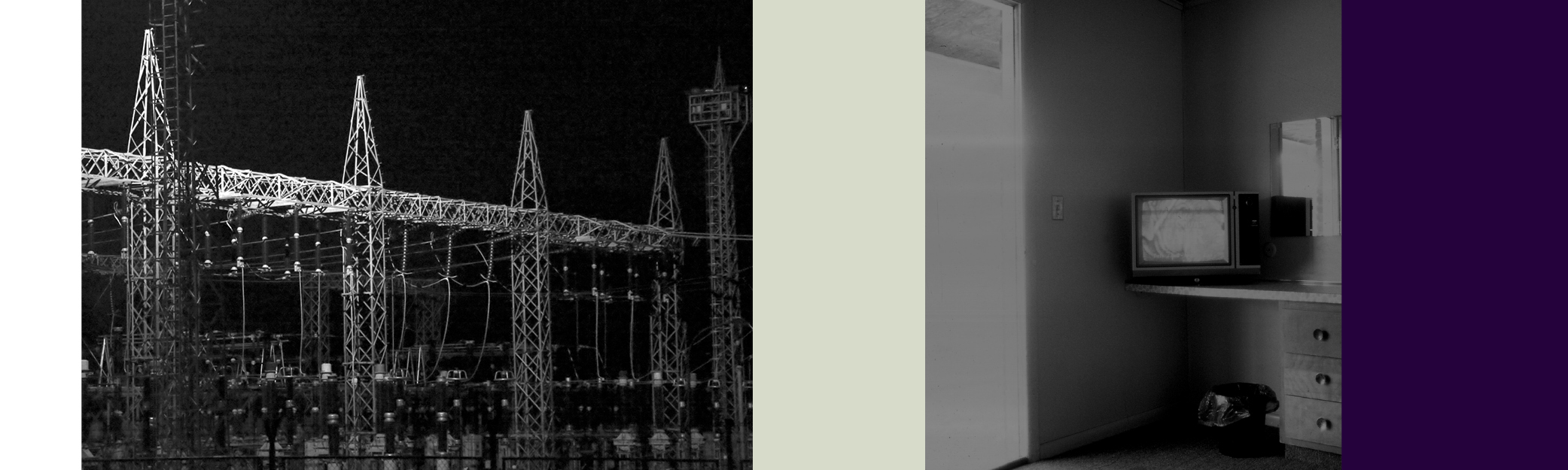
Clip from a 19 minute animation ‘Undivided’, a collaboration with composer Georgina Brett. Shown as a part of the Greenwich University’s SOUND AND IMAGE FESTIVAL in Nov 2025 as a 360 degree 5 screen ambisonic work.
All images and animations Allan Parker.
Paradise Lost
46 small LED screens display the first three lines of Milton’s Paradise Lost – one letter per screen.
The randomised/staggered programming of the text by Dr Richard Christian and Allan Parker allows the text to disassemble and reform. Conception and fabrication Allan Parker. Programming Dr Richard Christian. https://vimeo.com/1148326659?fl=pl&fe=cm
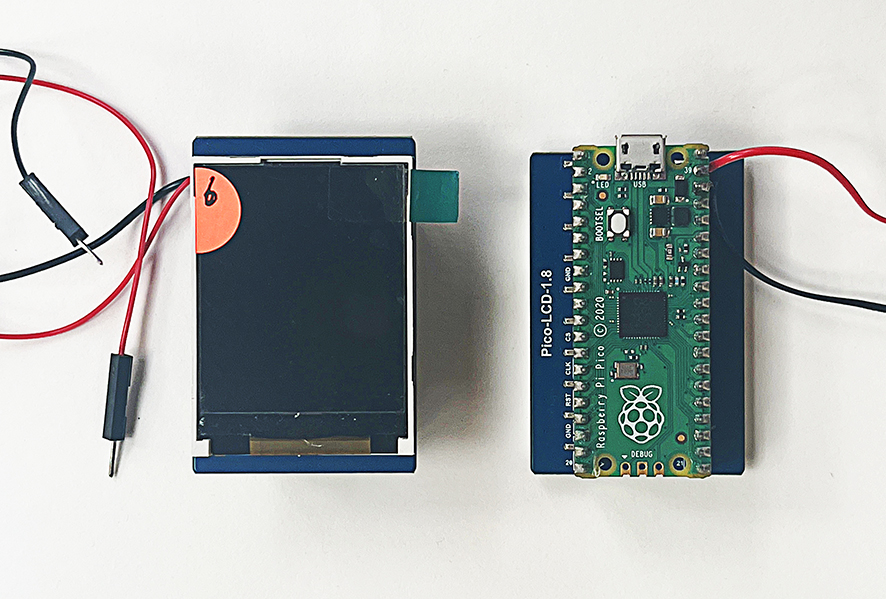
Each 1.8″ LCD screen is controlled by a Raspberry Pi microcontoller. The software that enables the Pico to drive the animation was written in C by Dr Richard Christian. Video frames are prepared in PNG format and compiled with a framerate and stagger values by the software into a single binary that is flashed to the microcontroller. The software works within the tight limitations of memory and processor speed of the Pico. A compression algorithm finds the optimum weave of images into blocks for compression. A simulator written in Javascript enables large sets of videos to be tested in parallel for arrays of screens. The code written by Dr. Christian is open source and available on a github repository. https://github.com/rpxpx/picovideo